Not every squirrel that gets into a loft stays. Sometimes a grey squirrel explores a roof space, finds nothing worth staying for, and leaves the way it came. But in a lot of Cookham homes, particularly those backing onto gardens with mature trees or close to Cock Marsh and the wooded areas along the Thames, a loft becomes a genuinely attractive place to nest — and once that happens, the signs become much harder to miss.
Knowing what an established infestation looks like helps you judge how urgently you need to act, and what kind of job you're actually dealing with when you call for help.
Noise patterns that point to a settled squirrel
Squirrels are active during the day, so noise in daylight hours — particularly early morning and late afternoon — is the classic giveaway, unlike rats or mice which are more active at night. A single passing squirrel might produce brief scuffling. An established animal or family produces a more consistent pattern: repeated scratching, rolling or thumping sounds as they move around, and a fairly fixed location where the noise is loudest, which is usually where the nest, or drey, has been built.
Physical evidence in the roof space
- A drey built from shredded loft insulation, leaves, twigs, and torn fabric or loft debris
- Accumulated droppings, typically oval and dark, concentrated in one or two areas
- Gnaw marks on roof timbers, joists, and around entry points, often fresh and pale where wood has recently been chewed
- Flattened or displaced insulation where squirrels have repeatedly used the same routes
- Food caches — nuts, seeds, or acorns stored in corners of the loft
- A persistent, musty smell as droppings and urine build up over time
Why established infestations need more than a quick fix
Once a drey is built and a squirrel has settled, simply blocking the entry point is not enough and can trap the animal inside, causing further damage as it tries to get out, or worse. An established infestation typically needs the animal cleared from the loft first, followed by removal of nesting material and droppings, before entry points can be sealed properly. This is also the stage where damage to wiring and insulation tends to be more advanced, since a squirrel using a loft as a permanent base will keep chewing to keep its teeth worn down.
If you're hearing regular daytime activity in your Cookham loft, or you've spotted droppings or a nest when checking up there yourself, it's worth getting it looked at properly rather than waiting to see if it resolves itself. Contact Pest Services Berkshire on 0118 336 1366 for a free quotation and an honest assessment of what's going on in your roof space.
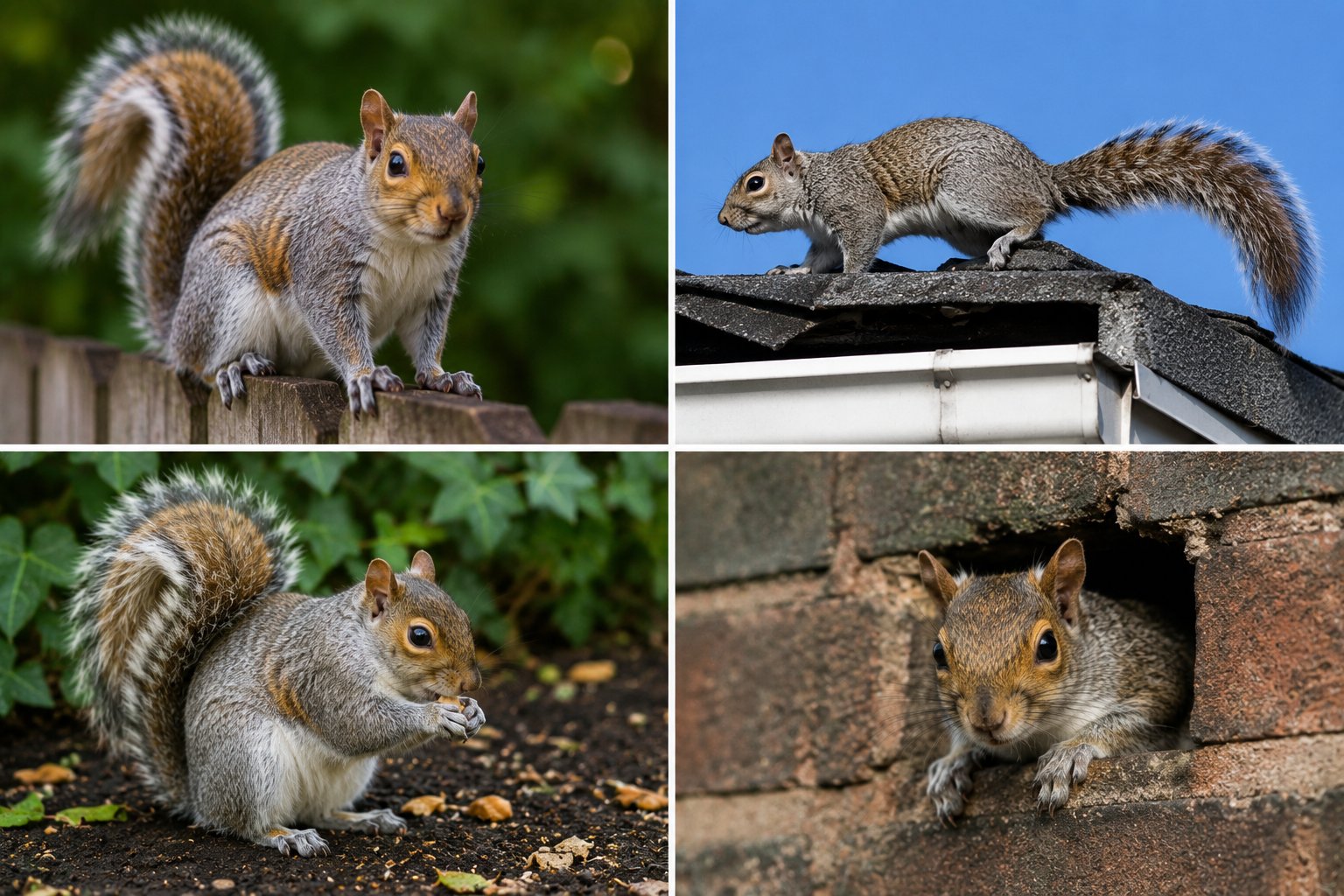
Think you have squirrels in your Cookham loft? Fast, professional grey squirrel control.
Get a Free Quote →Why Choose Pest Services Berkshire
We're grey squirrel control specialists covering Cookham and the surrounding area, investigating both the current infestation and how the animals are getting in. Every job starts with a free, no-obligation quotation.