Walk into any supermarket or hardware shop and you'll find a shelf of sprays, traps and powders promising to deal with mice, ants, wasps or moths. For a small, isolated problem spotted early, these products can genuinely help. For anything more established, the picture is less straightforward, and understanding the difference between a shop-bought fix and a professional treatment can save a lot of wasted time and money.
What DIY products are good at
Off-the-shelf pest control works best against small numbers of pests in a contained area, caught early. A single wasp nest spotted the day it appears, a handful of ants on a kitchen worktop, or one mouse seen once might respond to a home treatment. These products are also useful as a stop-gap measure while you arrange something more thorough, or as ongoing prevention once a professional has cleared an infestation.
Where DIY treatments fall short
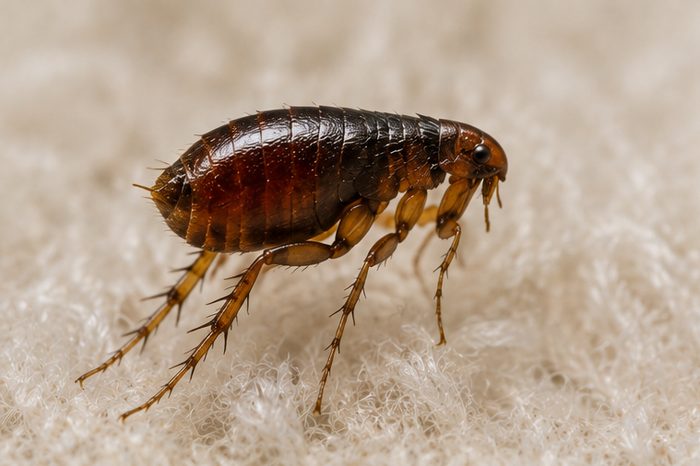
The trouble is that most pests are more resilient, and more established, than they first appear. A wasp nest is often larger and higher up than it looks from the ground, making a full treatment difficult and risky to attempt with a consumer-grade spray. Mice and rats breed quickly, so by the time droppings or gnawing are noticed, there may already be more than one generation active in the property. Bed bugs and fleas lay eggs in carpets, skirting boards and furniture that surface sprays rarely reach.
The identification problem
One of the biggest limitations of DIY pest control is correct identification. Carpet moth larvae are easy to mistake for other fabric pests, and the treatment approach for each is different. Using the wrong product, or treating the wrong pest, wastes time while the infestation continues to grow.
The access problem
Pests often nest in places a homeowner cannot easily reach or safely treat: loft spaces, wall cavities, under floorboards, or high up on the outside of a building. Professional treatment is designed with the right equipment and product strength to deal with these locations properly, rather than only the areas that are convenient to reach.
Why professional treatment tends to be more effective
A professional visit starts with identifying the pest correctly and finding where it is coming from, rather than just treating where it has been seen. This matters because a nest or entry point left untreated means the problem is likely to return, even if the visible signs disappear for a while. Professional-grade products are also generally stronger and longer-lasting than what is available to the public, and are applied at the concentration and location needed to break the pest's life cycle, not just kill what is currently visible.
Cost and time considerations
DIY treatments can seem cheaper at first, but repeated purchases of sprays and traps for a problem that keeps recurring often ends up costing more in both money and frustration than a single professional visit would have. Wasp nest treatment, for example, is a fixed £90 with Pest Services Berkshire, which is often comparable to buying several cans of wasp foam that may not reach or fully treat a nest anyway.
Making the right choice
If you have spotted a pest early and the affected area is small and accessible, a DIY approach is a reasonable first step. If the problem has been going on for a while, keeps returning, or involves a nest or entry point you cannot see or reach, it is worth calling in professional help before it gets any bigger. Pest Services Berkshire covers homes across Slough, Reading and the wider county, and can advise on whether your situation needs a professional visit or whether a home treatment is likely to do the job.
Get a Free Pest Control Quote in Berkshire
Every pest problem is different — the fastest way to get an accurate answer is a quick chat with our team.