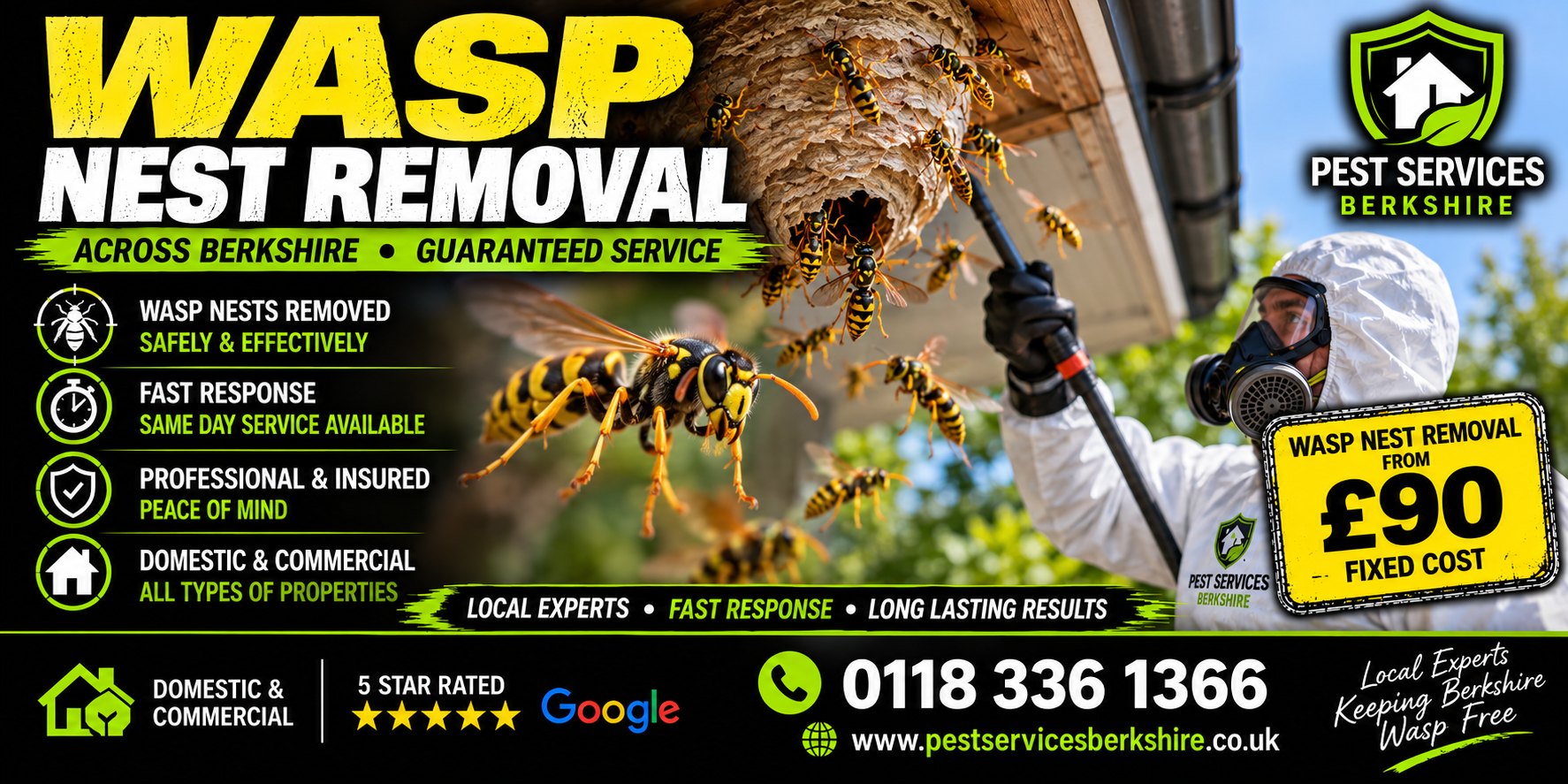
What the £90 Covers
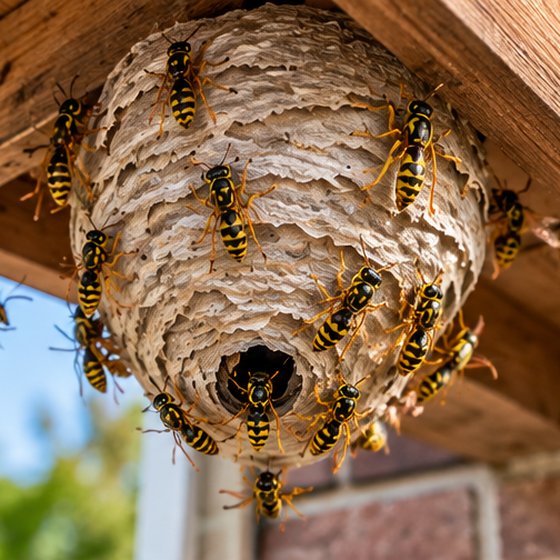
One nest, treated where it is, at a fixed £90. There is no call-out charge on top and no separate fee for finding the nest. If the wasps turn out to be going into two separate nests on the same property we will tell you that before anything is treated, not afterwards on the invoice.
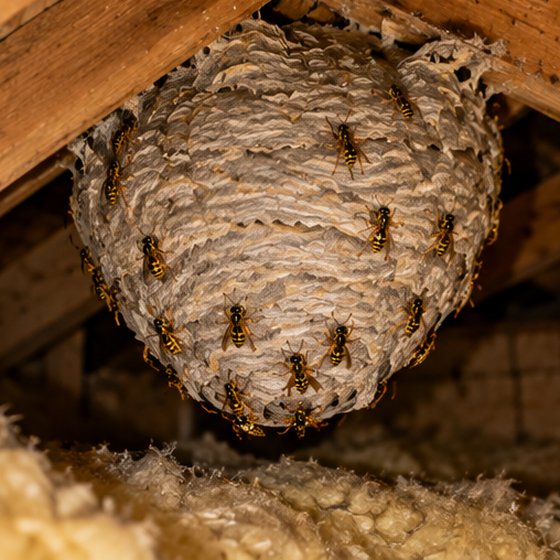
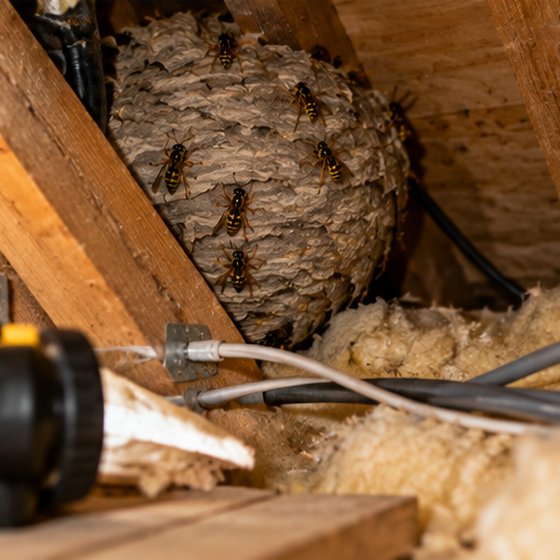
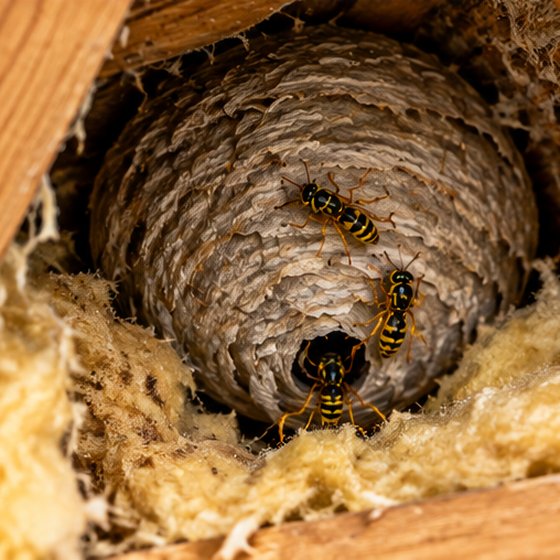
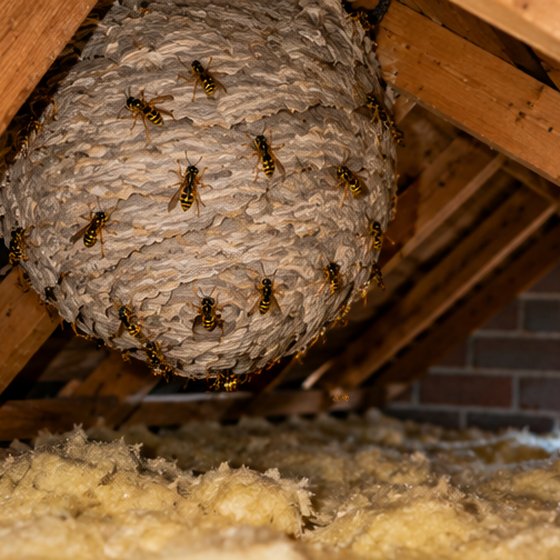
The nest is treated in place. It does not have to be cut out, and in most positions it should not be — opening a live nest to remove it releases every wasp in it into the room you are standing in. Once the colony is dead the nest is inert, and in a loft or a wall void it can simply be left. Wasps do not re-use an old nest.
- Fixed £90 for the nest, with no call-out charge
- Lofts, roof voids, soffits, fascias, eaves and ridge tiles
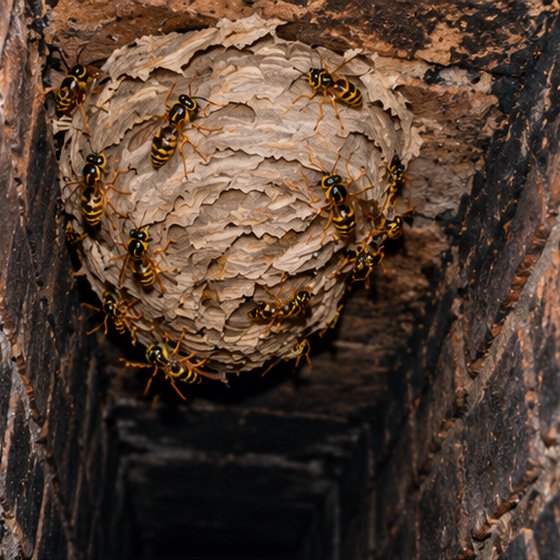
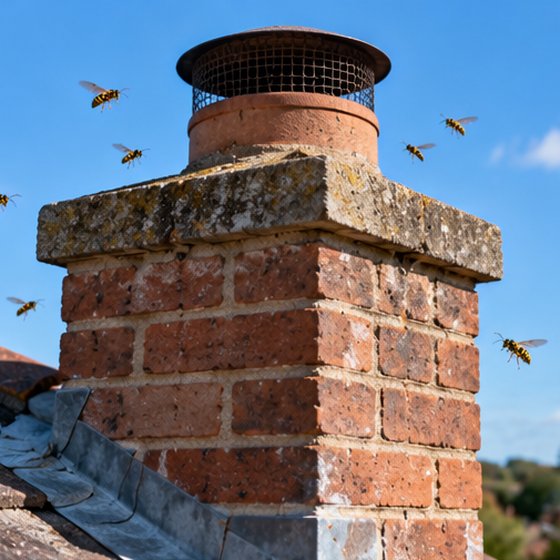
- Chimneys, flues and wall cavities
- Sheds, garages, summerhouses, stables and fence posts
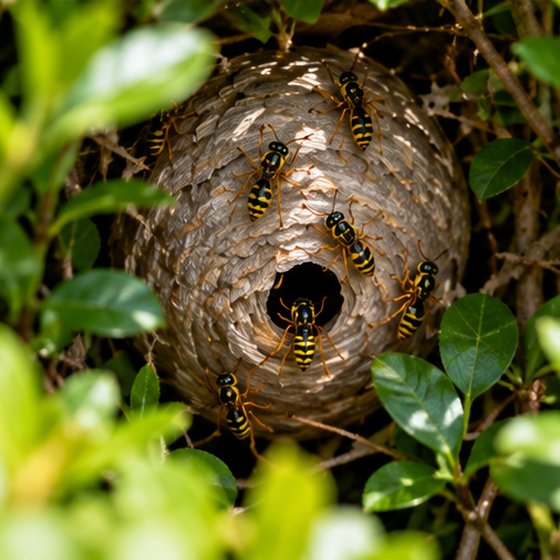
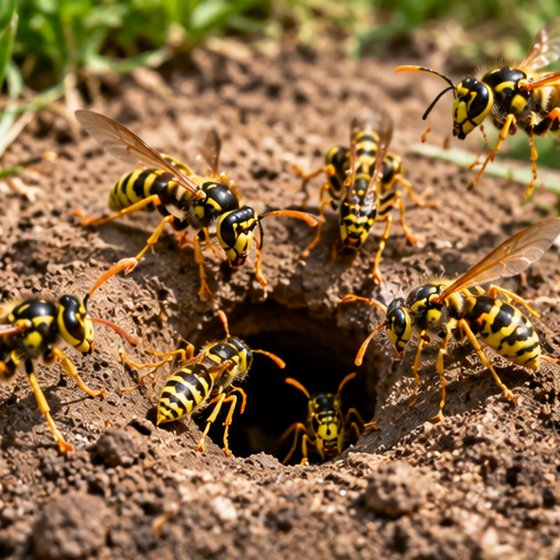
- Ground nests in lawns, banks and borders
- Houses, flats, rented property and commercial premises
You Do Not Need to Find the Nest First
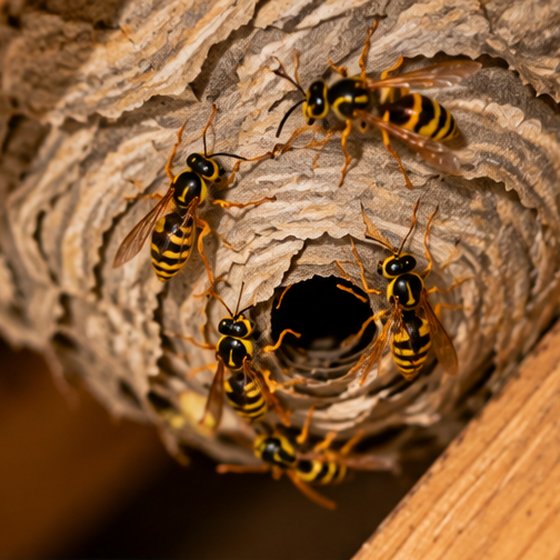
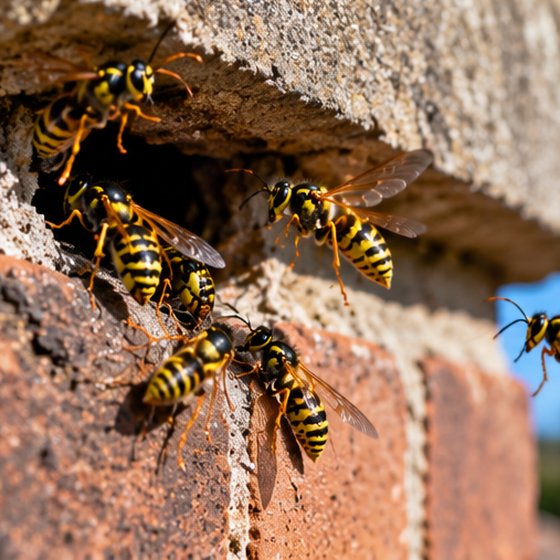
People often put off ringing because they cannot see a nest, only wasps. That is normal, and finding it is part of the job rather than something to do before booking. What is worth doing is standing back for a minute and watching where they go, because a steady two-way stream of wasps in and out of one point is the nest entrance, and knowing roughly where it is saves time on the day.
The entrance is very often somewhere you would not think to look: a gap under a roof tile, a hole in the mortar, the slot behind a soffit board, an airbrick, a broken drain, or a hole in the lawn the size of a ten pence piece. The nest itself may be a couple of feet inside from there.
The one thing worth doing before we arrive: watch for a minute from a safe distance and note where they are going in. That is the single most useful thing you can tell us on the phone.
How the Treatment Works
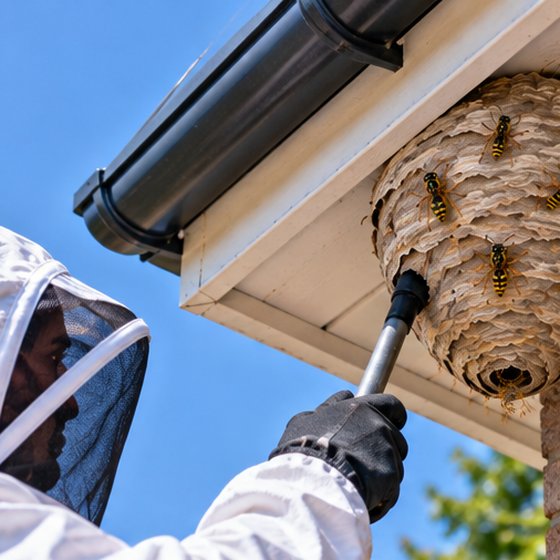
An insecticidal dust or spray is applied at the nest entrance rather than into the room. Wasps walk through it on their way in and out, carry it into the nest on their bodies, and spread it through the colony including the queen. That is why treating the entrance works on a nest you cannot reach or even see.
- We find the entrance and check there is only one nest.
- The treatment goes in at the entrance point.
- Activity increases for a short period as returning wasps meet the treated entrance.
- The colony dies off over the following hours and days.
- The area is safe to use again once the activity has stopped.
Activity going up before it goes down is the part that catches people out. Foragers that were out of the nest when it was treated come back to it, and for a while there are more wasps visible at the entrance rather than fewer. It is not a sign the treatment has failed. It is the treatment working.
What Not to Do
Do not block the entrance. Filling the hole with expanding foam or sealant does not trap the colony — it makes several thousand wasps chew a different way out, and in a wall or a roof that new way out is very often into the room on the other side.
The other two that reliably make things worse are shop-bought aerosols and water. An aerosol fired at a nest from a stepladder agitates the colony without killing it and puts you at the top of a ladder with wasps coming out; a hose does the same and soaks the loft as well. Neither reaches the queen, so neither ends the nest.
Nor is a nest in a loft or a wall a thing to wait out. A colony builds through the summer and is at its largest and most defensive in late August and September, which is exactly when most people get stung by a nest they had been ignoring since June.
Wasps, or Something Else?
It matters, and not only for the treatment. Honey bees are not treated — a swarm or a colony in a chimney is a job for a local beekeeper, and we will tell you so rather than treat it. Bumblebees live in small colonies that die out naturally by autumn and are best left alone where they can be.
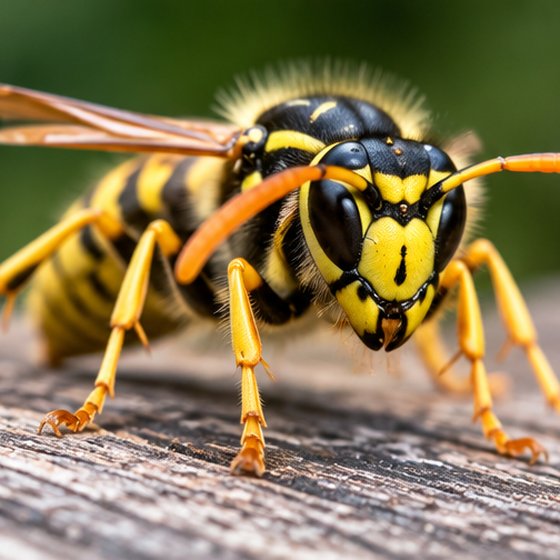
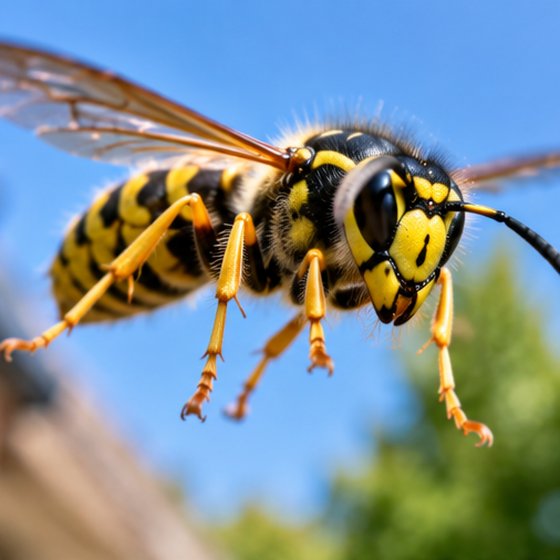
A quick way to tell: wasps are sharply banded black and bright yellow with a smooth, almost shiny body and a narrow waist, and they fly with their legs tucked up. Honey bees are furrier, more golden-brown, and a swarm hangs as a dense cluster rather than flying in and out of a hole. If you are unsure, send a photograph on WhatsApp before booking anything.