What You Get for the Fixed £260
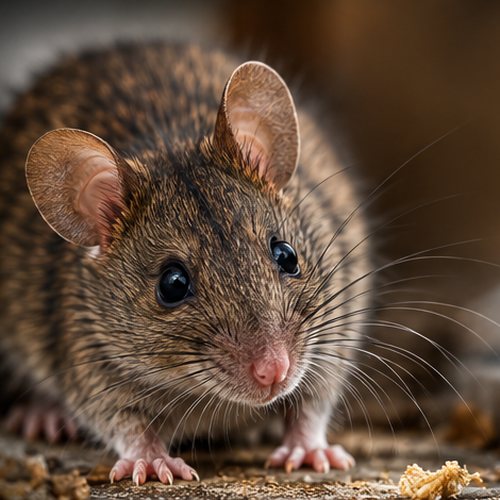
The price is a fixed £260, and it is the figure you are told on the phone before a date is agreed. It pays for a mice treatment of the property: working out where they are running, placing bait stations or traps on those runs, and looking for how they are getting in.
Mice are not a one-visit pest, and we would rather say so up front. What the treatment involves at your address, including how the visits work and whether any proofing is needed, is explained before you book, so nothing about it comes as a surprise afterwards. The questions worth asking when you ring are set out in how much mice control costs in Berkshire.
How Mice Get a Foothold
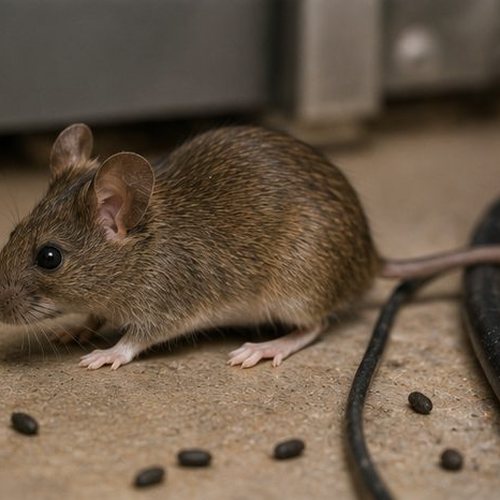
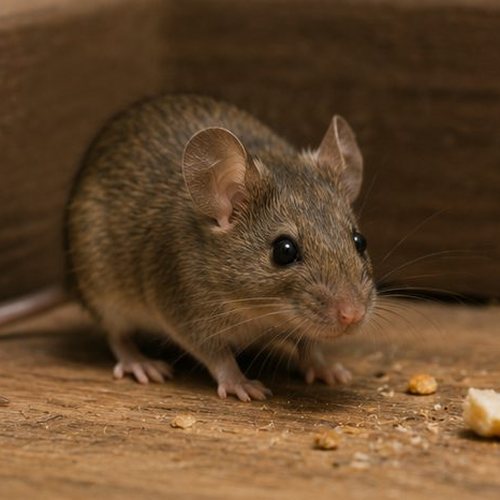
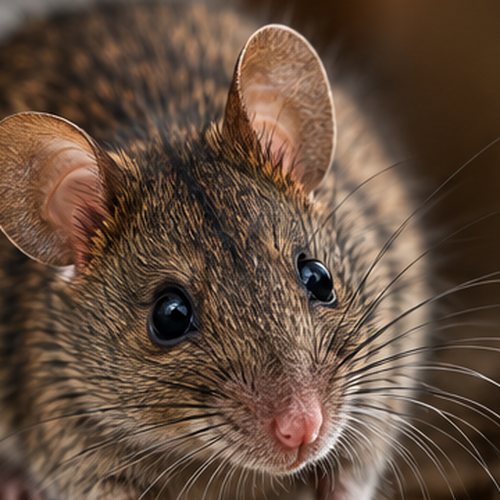
Indoors it is nearly always the house mouse. In rural and edge-of-town homes, wood mice wander in from gardens and fields as well. Either way, a mouse needs three things from a building: a way in, somewhere warm and quiet to nest, and food it can reach. Most houses offer all three without anyone noticing.
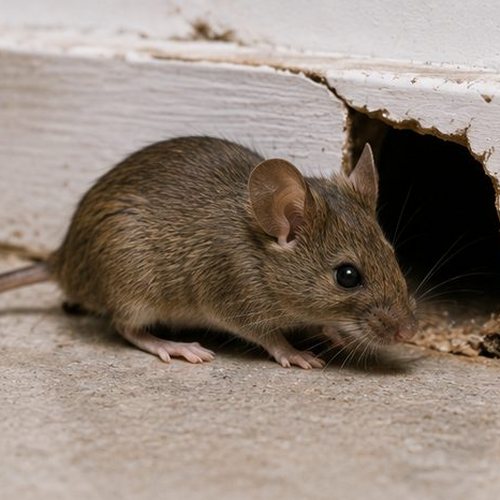
The way in can be tiny. A mouse will get through a gap roughly the width of a pencil, so the space round a heating pipe or under a worn back door is plenty. Once inside they nest in wall voids, under floors, behind kitchen units and in lofts, and they breed quickly: several litters a year, and the young are breeding themselves within weeks. That is why a couple of mice can become a good many more within a few months, and why waiting for mice to leave on their own rarely works.
They move indoors most in autumn and winter, when the weather turns and outdoor food runs short; our Henley-on-Thames page covers that seasonal shift. But a building with food and shelter in it will hold mice in any month. Crumbs behind the cooker, a sack of bird seed in the utility room or dry pet food left down overnight all count, and the full list is in what attracts mice into your home.
Quick Checks Before You Ring
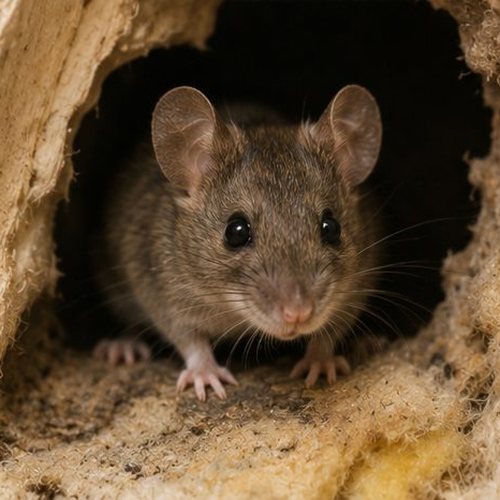
You do not need to be certain before calling, but a few minutes with a torch helps us both. Look for:
- droppings the size of a grain of rice, dark with pointed ends, scattered along skirting, in cupboards and behind appliances;
- chewed corners on cereal boxes, bags of flour or pet food, and gnaw marks on wood, plastic or cable;
- a stale, musty smell with a hint of ammonia in a cupboard or under the sink;
- greyish smears along the bottom of a wall where they run the same route every night;
- shredded paper, insulation or fabric balled up in a quiet corner, which is a nest;
- scratching or scurrying in the ceiling or walls once the house is quiet.
The whole checklist, with what each sign tells you, is in what are the signs of mice in your home. Fresh droppings are soft and dark; old ones are dry and crumble, which helps tell a live problem from an old one. If you are clearing droppings up, wear gloves and dampen them with disinfectant rather than sweeping or vacuuming them dry, as our Woodley page on droppings and hygiene explains.
How a Mice Treatment Works
Mice nibble small amounts from many places and explore constantly, so a treatment works by putting bait or traps directly on the routes they already use. Placing them in the middle of a room does very little; tucked against a wall on a run, behind the fridge or along a loft joist, they get found.
- On the phone we ask where you have seen signs, what the property is like, and who lives there, including children, pets and anyone vulnerable.
- At the property we survey inside and out, find the runs and look for the way in.
- Bait goes only in locked, tamper-resistant stations, and traps only where a mouse can reach them and a child or pet cannot.
- The stations and traps are checked, and you are told what to watch for in between.
- Once activity has stopped, the way in is dealt with.
Expect it to take days to weeks rather than one afternoon, and for signs to tail off gradually rather than stop overnight. What happens during a mice control visit walks through the day itself, and how long mice control takes covers the timeline. One honest point: a mouse that dies in a wall or under a floor can smell for a while before it fades.
The one thing that decides whether they stay gone: the way in. Kill the mice inside and leave the gap open, and the next ones find the same route. Looking for it is part of the treatment, and what closing it involves is explained before you book.
Finding and Sealing the Way In
The usual routes are gaps where pipes and cables pass through walls, worn door bottoms, the join between a garage and the house, weep vents, roof edges and the shared voids between terraced homes. How do mice get into houses lists them, and our Twyford page shows how to trace the route on your own property.
Sealing is about materials and timing. Wire wool packed in with filler or mortar holds; foam on its own gets chewed through. Airbricks ventilate the floor, so they are covered with metal mesh and never blocked. And gaps are closed only once the mice inside are dealt with, or they are shut in to die in the walls or gnaw a fresh hole. How to mouse-proof your home has the detail. If they have come back after an earlier treatment, why do mice keep coming back helps work out what was missed.
Is It Mice, or Rats?
Rat droppings are much larger than a mouse’s, and rats need a bigger gap to get in. If you are not sure, our Sandhurst page compares the two; if it turns out to be rats, our rat control section is the place to go.
Children, Pets and Bait
We do not describe any rodent treatment as safe in general. What we do is keep rodenticide inside locked, tamper-resistant bait stations placed out of reach, and set traps only where a mouse can get to them. Tell us at booking about young children, cats, dogs, rabbits or other pets, and anyone vulnerable in the house, and follow the instructions given on the day.
If you think a pet has eaten bait, ring the vet at once and take the packaging or station details with you. If anyone in the house feels unwell, see a pharmacist or GP. Bait stations, where they go and what to tell us are covered on our Wokingham page, and are mice dangerous to your health explains the risks mice themselves carry, from contaminated food to gnawed wiring.