
Before We Arrive
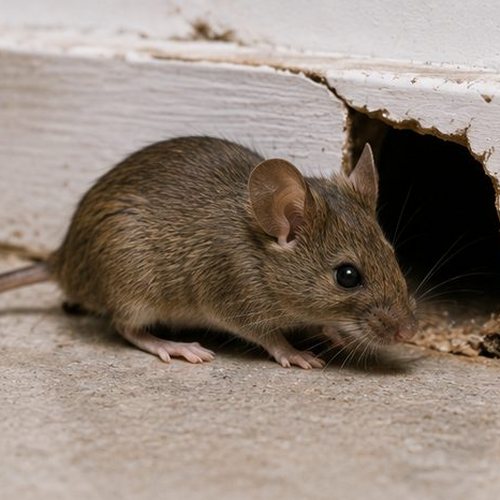
At booking we ask where you have seen droppings or damage, when you hear noise, and whether it is one room or several. We also ask who lives in the house: children, pets, and anyone elderly, unwell or otherwise vulnerable. That shapes where treatment can go, so please tell us even if it seems obvious.
The price is a fixed £260, confirmed before anything is booked. What the treatment involves, including the visits and any proofing, is explained at that point rather than on the doorstep.
It helps if the places you have seen activity are reachable: the cupboard under the sink emptied, a way into the loft, the garage door unlocked. You do not need to clean up droppings first. They show where the mice are running.
The Survey, Inside and Out
The visit starts with a look round rather than with bait. Inside, that means the kitchen and utility room, under the sink, behind and beneath appliances where they can be reached, the backs of low cupboards, airing cupboards, under the stairs and, where there is activity, the loft.
Outside, it means walking the walls at ground level: where pipes and cables go in, airbricks and vents, the bottoms of doors, the join with a garage or extension, and anything stacked against the house. The aim is to find the runs the mice use and the most likely ways in, because both decide where treatment goes.
Where Bait Stations and Traps Go, and Why
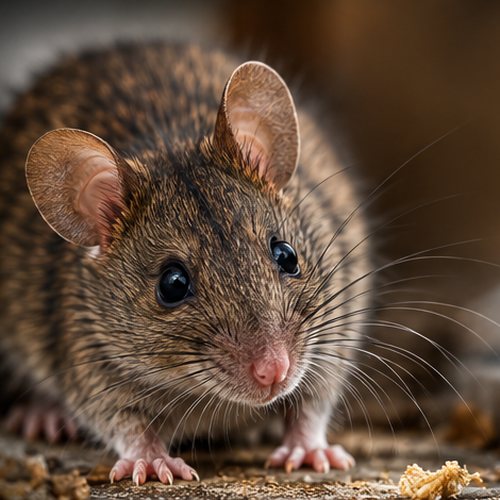
Mice feed in lots of small amounts and stick to routes along walls, so treatment goes on those routes rather than in the middle of a room. Typical places are behind the cooker, at the back of the sink cupboard, beside the boiler, along a loft joist near a nest, or in a garage corner.
- Bait stations. Any rodenticide goes in a locked, tamper-resistant box, fixed or placed where children and pets cannot reach it. Bait is never left loose in trays.
- Traps. Where poison is not suitable, or alongside it, traps are set in places only mice can get to — inside a void, behind a kickboard, in a covered box.
- In the loft and voids. Where the nest is, treatment is placed close to it so the mice meet it early on their rounds.
How children and pets are kept away from treatment, and what to tell us about them, has its own page: children, pets and bait boxes.
What You Are Shown and Told
Before the technician leaves you should know where every station and trap is, what is in each one, and which ones you must not move. You should also be told what was found: where the mice are running, where they are probably getting in, and what food or cover is helping them.
You will get instructions for the house. Follow those on the day, even where they differ from anything you have read, because they are based on what was actually placed in your home.
Ask to be shown every station before we go. If you know where they all are, nobody moves one by accident, the dog is kept out of the right cupboard, and you can tell us straight away if one is disturbed.
What You Do Between Visits
- Leave stations and traps where they are, even if one looks untouched. Moving them off a run makes them far less useful.
- Take away competing food: pet bowls up at night, dry goods in sealed tubs, crumbs cleared from behind the cooker.
- Keep children and pets out of any area you were asked to keep them out of.
- Do not start sealing holes yet unless you were told to. Blocking a route with mice still inside can trap them in the walls.
- Note where you still find fresh droppings or hear noise, so the next check goes straight there.
There is more general guidance on treatments around children and pets in the advice centre.
If a pet may have eaten bait, take it to the vet at once and take the product details with you. If anyone feels unwell, speak to a pharmacist or GP. For anything else between visits, ring 0118 336 1366.