What the Fixed £220 Is For
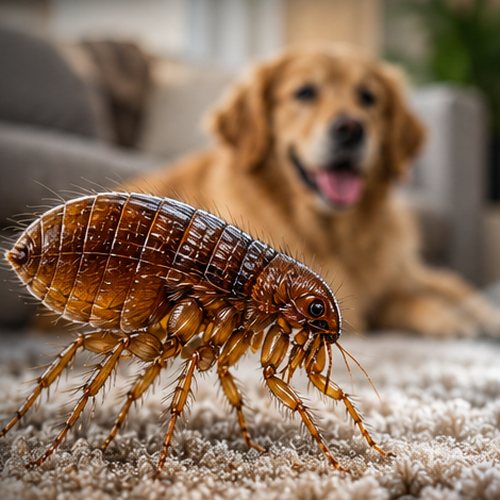
The fixed £220 pays for a treatment of the home: the floors, carpets, rugs, soft furnishings and the places your animal sleeps and lies. We talk it through on the phone first, including which rooms the pet uses, and the figure is confirmed before a date is put in the diary. There is no other number to wait for.
What it does not cover is the animal. We do not put anything on a cat or dog. That is the vet’s job, and it needs doing at the same time or the home simply gets restocked with eggs. The full breakdown of what a visit involves, and the questions worth asking when you ring, is in how much flea treatment costs in Berkshire.
How Fleas Get Established in a Home
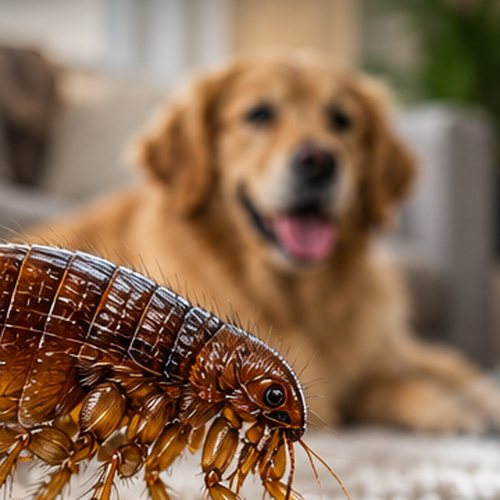
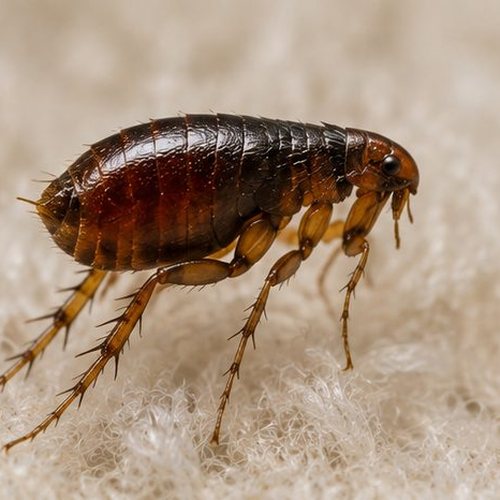
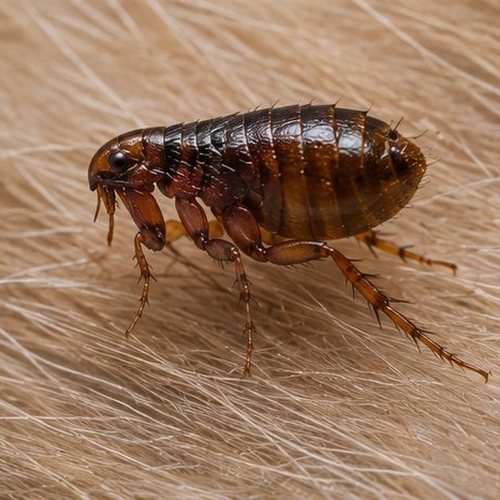
An adult flea spends its life on the animal, feeding and laying. The eggs are not sticky. They drop off wherever the pet sleeps, sits, scratches or walks, and hatch into small larvae that shun light and burrow down into carpet pile, the gaps between floorboards, sofa seams and bedding. They live on the debris they find there, flea dirt included.
Each larva spins a silk cocoon and pupates. From the cocoon an adult emerges when it senses warmth, vibration or movement nearby, jumps on to whatever walks past, and the cycle starts again. So at any one time most of the problem is not on your pet at all. It is eggs, larvae and pupae spread through the rooms the animal uses, and where flea larvae live in a house is more specific than most people expect.
That is also why fleas can appear with no pet at all. A cocoon left by a previous owner’s cat can sit for months in an empty house and wake up the week somebody moves in; our Sandhurst page covers moving into a house that stood empty, and Ascot covers fleas in a home with no animal.
Is It Fleas? The Quick Checks
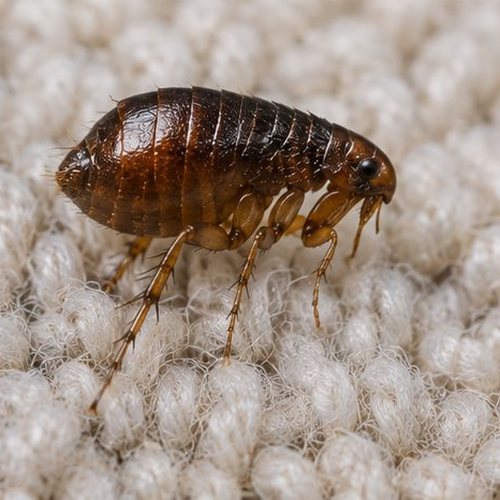
Before you book, it is worth being fairly sure. The pet scratching and nibbling at its back or the base of its tail is the usual first sign. Comb the fur over a sheet of damp white kitchen paper: black specks that smear red-brown are flea dirt, which is digested blood. Walking slowly across the carpet in white socks will often pick up a flea or two where you can see them.
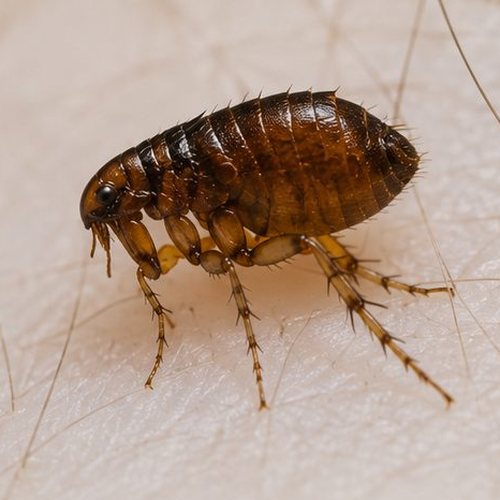
People get bitten too, typically small itchy red spots grouped round the ankles and lower legs. Fleas bite people but do not stay on them, which can fleas live on humans explains. The full list of tell-tale signs is in what are the signs of fleas in your home. For any reaction to bites, a pharmacist or GP is the person to ask.
How a Home Treatment Works
The treatment is usually a residual insecticide applied across the floors, carpets, soft furnishings and pet areas, often together with an insect growth regulator that stops larvae turning into adults. It goes where the eggs and larvae are: along carpet edges, under beds and sofas, up the stairs, into the pet’s favourite spots.
- We ask on the phone which rooms the animal uses and passes through, and who lives in the house.
- You get the home ready and the vet treats the animal.
- On the day, everybody and every animal leaves the rooms being treated.
- The treatment is applied to floors, furnishings and pet areas.
- Nobody goes back into a treated room until it has dried, and you follow the instructions you are given on the day.
Which rooms need doing is a real question, not a sales line. Treating only the room where you noticed them tends to push the problem next door, and do you need to treat the whole house for fleas sets out how to think about it.
The one thing that decides whether it works: the animal and the home are treated together. Treat only the cat and new fleas keep hatching out of the carpet; treat only the carpet and the cat keeps dropping fresh eggs on it. Why the vet’s treatment and ours both matter is the subject of our Twyford page.
Before and After, in Brief
Beforehand: vacuum every floor thoroughly, including under furniture and along the skirting, clear loose things off the floors, wash pet bedding hot, and have the animal treated by the vet. Fish tanks, caged birds and other small animals need arranging in advance. The checklist is in how to prepare your home for flea treatment.
Afterwards, expect to see some fleas for a few weeks. Pupae in their cocoons are not touched by the treatment, and they keep hatching, landing on treated surfaces and dying. Vacuuming often helps because the vibration brings them out sooner. Do not wash or shampoo carpets for the period you are told. What is normal and what is not is covered in how long flea treatment takes to work.
Children, Pregnancy and Other Animals
We do not describe any insecticide treatment as safe in general, and nobody honest should. What we do is tell you what is being used and where, keep everyone out of treated rooms until they are dry, and ask you at booking about babies, pregnancy, asthma or other breathing conditions, fish tanks, birds, reptiles and small caged animals. The detail is in is flea treatment safe around pets and children, and our Wokingham page is written for homes with young children.
When It Comes Back, or Is Not Fleas
Fleas returning months later nearly always have a cause: a lapsed vet treatment, a visiting cat, wildlife in the garden, a room or a car that was missed. Working that out is the job of why do flea infestations come back, and the routine that stops it happening is on the Cookham page.
Sometimes the biter is something else. Bites only in bed, with no pet and no specks on the carpet, point more towards bed bugs; the comparison is on our bed bugs vs fleas page, and can fleas live in your bed deals with fleas that have got into the bedding. Telling a flea bite from a gnat or mite bite is on our Newbury page. Whether the flea came from the cat or the dog makes no difference to the home treatment, as cat fleas or dog fleas explains.