
The Places Outside the Obvious
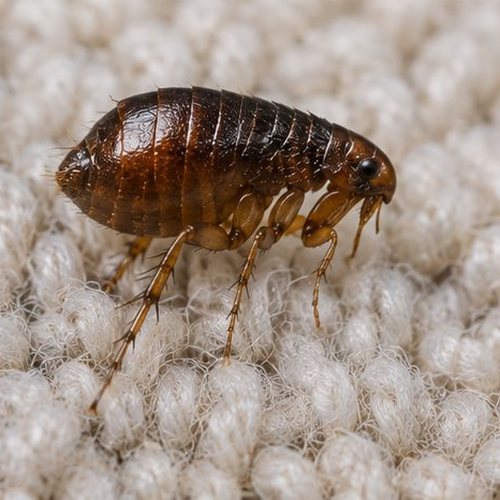
Fleas lay eggs on the animal and the eggs fall off wherever it spends time. For a lot of dogs that includes a car boot several times a week, a bed that moves between rooms, and a set of habits: the mat by the back door, the bottom stair, the spot under the kitchen table. Miss those and a clean house slowly fills up again.
The Maidenhead page covers where dogs pick fleas up on walks and in the garden. This page is about where they then carry them.
The Car
A dog that rides to the towpath, the common or the vet leaves eggs and flea dirt in the boot liner, on blankets and in the carpet of the footwells. Cars stay warm in sun and the carpet is rarely vacuumed as hard as the lounge, so it can quietly keep a life cycle going.
- Take out every blanket, towel, crate pad and seat cover and wash them hot.
- Vacuum the boot, the footwells and the seats with the crevice tool, paying attention to the seams and the edges of the boot floor.
- Keep doing it weekly for a month or two after the house is treated, since adults will go on hatching in there too.
- Put a washable cover down in the boot so there is one thing to wash rather than a carpet to chase.
We treat homes, not vehicles, so the car is on you. Treating the house and not the car is one of the ways fleas come back, as why flea infestations come back explains.
The Dog Bed
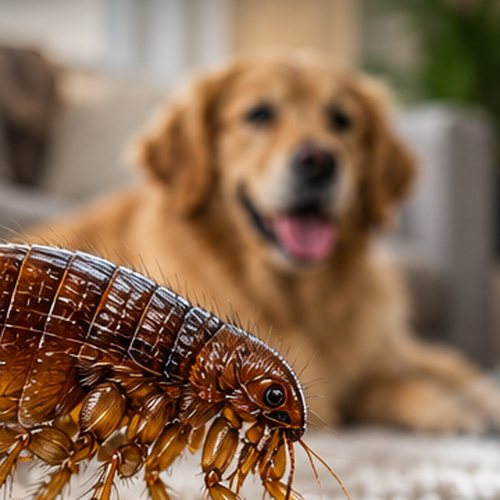
The bed gets more eggs than anywhere else. Covers can go on a hot wash; the foam insert, a stuffed cushion bed or a wicker basket cannot, and those are where larvae hide. If an old bed cannot be washed right through, replacing it at the time of treatment is often simpler than trying to save it.
Think too about where the bed stands. The patch of carpet under it, and a second bed in the kitchen or the office, all need to be on the list for the visit, not just the main one.
The one to get right: list every place the dog sleeps, including the car and the second bed, before we come. What is not on the list does not get treated.
The Pet's Routes Through the House
Watch the animal for a day and you will see the same paths: from the back door to the water bowl, up the stairs to a bedroom, into the hall to wait by the front door. Each route has resting points along it, and those are where eggs drop.
- The doormat and the floor just inside each outside door.
- The bottom and top steps of the stairs, and the landing.
- A window seat or sill where a cat watches the garden.
- Under a desk or table where the dog lies while people work or eat.
Those points are included in the home treatment, which is usually a residual insecticide on floors, carpets and furnishings with a growth regulator added. People and animals keep out of treated areas until dry and follow what they are told on the day; mention at booking any baby, pregnancy, breathing condition, fish, birds, reptiles or caged animals.
Outbuildings and the Garden
A dog that sleeps in a utility room, a garage or a kennel can keep fleas going there too. In a market town like Hungerford, with countryside all round, wildlife in the garden is another source. The home treatment is a fixed £220 and is confirmed before anything is booked, and we will talk through any outbuilding when you ring.