
How Fleas Turn Up in a Shared House
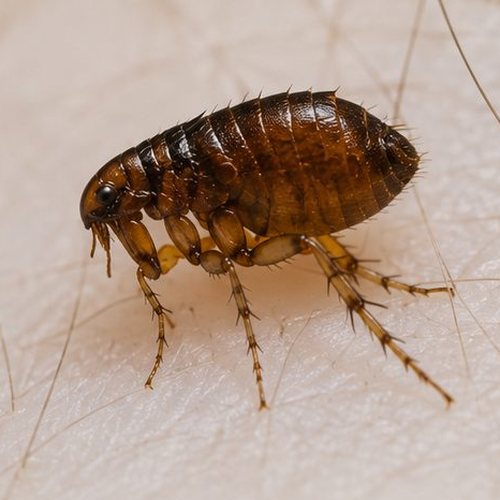
Pets are often not allowed in student and shared lets, so fleas come as a surprise. The usual routes are a housemate's partner or friend bringing an animal to stay, a pet that lived there before the current tenancy, a visiting neighbour's cat let in through a back door, or someone moving in from a home that had fleas.
If the fleas seem to date from a previous occupant's animal, that particular situation is covered on the Reading page.
Who to Tell, and Who Pays
Tell the landlord or letting agent in writing as soon as fleas are confirmed, and keep a copy. In a house near the university where tenancies turn over every summer, a dated message is the simplest way to show when the problem was noticed.
Who pays depends on the tenancy agreement and on what caused it, and we are pest controllers, not legal advisers. The landlords advice page sets out the usual starting points. We are happy to deal with whoever books, whether that is a tenant, the agent or the landlord.
Why Every Room Has to Be Included
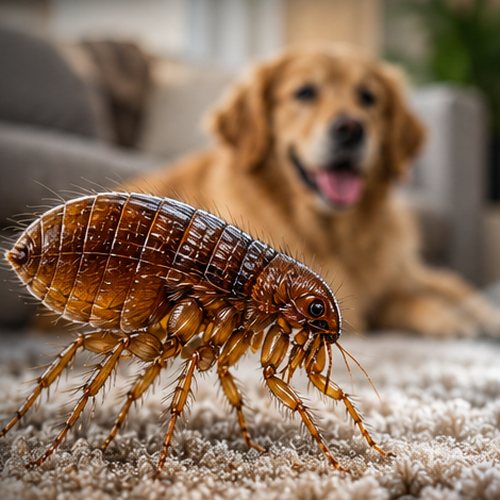
Shared houses split along bedroom doors, and it is tempting for the one person being bitten to want only their room done. That rarely works. Fleas and their eggs move with people and animals through the hall, the stairs, the living room and the other bedrooms, and a room left out keeps feeding the rest.
The thing that decides it: every housemate has to agree to the visit and get their own room ready. One bedroom locked and full of clothes on the floor can undo the other four.
Getting a Shared House Ready
- Agree a date that everyone can be out for the treatment and until the rooms have dried.
- Each person clears their own floor: clothes, bags, shoes, boxes and anything stored under the bed.
- Vacuum every room, the stairs and the communal areas the day before, then empty the vacuum outside.
- Wash bedding, throws and any fabric that has been on the floor on a hot cycle.
- Anyone with asthma or another breathing condition, anyone pregnant, or anyone keeping fish or a caged pet in their room should say so at booking.
The fuller checklist is in how to prepare your home for flea treatment. The treatment itself, usually a residual insecticide with a growth regulator, goes on floors, carpets and soft furnishings, and you follow the instructions given on the day about when to go back in.
Empty Over the Summer
A student house in Earley that stands empty between tenancies can catch people out. Pupae sit in their cocoons for weeks or months and hatch when they sense vibration and warmth, so the first people to arrive in September can be bitten in a house that had no animal all summer. Tell the landlord straight away if that happens.
The same thing can happen at Christmas and Easter, when a house is left for a few weeks and everybody comes back at once. If bites start within a day or two of the house filling up again, cocoons waking is the likeliest explanation, and it is a reason to act quickly rather than wait for it to settle. The Sandhurst page explains why empty houses do this.
For the house, the price is a fixed £220 and is confirmed before anything is booked.