
Prevention Starts With the Animal
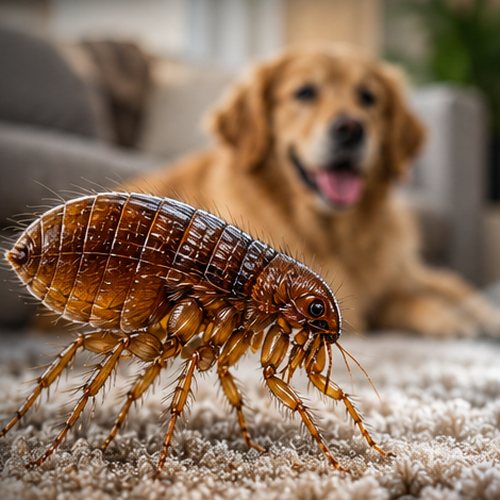
Almost every flea problem in a home with pets begins with a flea getting on to an animal and staying there long enough to lay eggs. Stop that and the house never gets seeded. That is why the centre of any prevention routine is a vet-recommended treatment kept up on schedule, all year and for every animal in the house.
The weak point is almost never the product. It is the gap: the dose that was due in November and forgotten until February, or the older cat that never goes out so nobody bothered. We treat the home, not the animal, but we will always ask whether the vet's treatment is current, because it decides everything else.
If you do one thing: put every animal's next flea treatment date in your phone with a reminder, and keep it going through the winter. Heated homes let fleas breed all year.
The Routine, Month by Month
- Treat every cat and dog on the schedule your vet sets, including the ones that rarely go outside.
- Wash pet bedding and throws on a hot cycle every week or two.
- Vacuum where the animals rest at least weekly, with the crevice tool along skirting boards, under furniture and on the stairs.
- Every so often comb the animal over white paper and look for black specks that turn red-brown when damp.
- Clean the car boot and any second beds when you do the house.
None of that is elaborate, and it is what stops a stray flea from turning into an infestation. Where fleas settle in a house, and so where the vacuuming is worth doing properly, is mapped on the Caversham page.
What Else Brings Them In
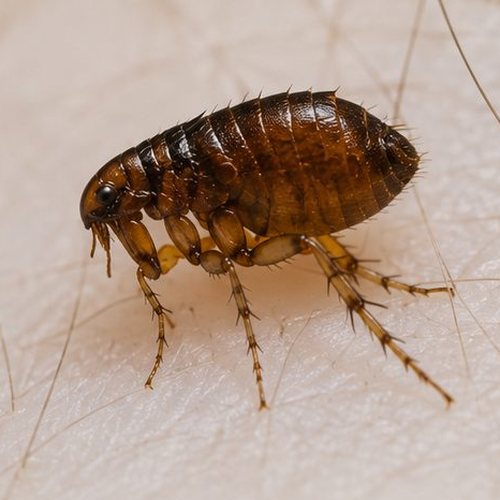
- Visiting animals. A friend's dog, a neighbour's cat through the cat flap, or a pet you are minding for a week.
- Wildlife. Hedgehogs, foxes and birds carry their own fleas, and pets in a garden near the river and the common can pick them up.
- A new animal. Puppies, kittens and rescues should see a vet about fleas before they get the run of the house.
- An empty spell. Cocoons can wait for months, so a house left unoccupied can still produce fleas when people return.
You cannot control all of those, which is exactly why the animal treatment matters: a treated pet that picks up a flea kills it rather than carrying it indoors.
After a Treatment Has Been Done
If the house in Cookham has just been treated, the first few weeks look different. Adults keep hatching and dying on the treated surfaces, so seeing some is normal. Vacuum every day, which encourages the cocoons to hatch, and do not wash or shampoo the carpets for the period you are told. That stretch is explained in how long flea treatment takes to work.
After that, the routine above takes over. The house does not need treating on a schedule; the animals do.
When to Act Rather Than Wait
If fleas do return, work out why before doing anything else: a missed dose, a new animal, a room that was left out or the car. Why flea infestations come back walks through each.
If the house needs treating again, it is a fixed £220 and it is confirmed before anything is booked. On the day everybody and every animal stays out of treated rooms until they have dried, and at booking you tell us about babies, pregnancy, asthma or other breathing conditions, fish, birds, reptiles or small caged animals. Anyone with bites that are bothering them should see a pharmacist or GP.