
Where Rural Fleas Come From
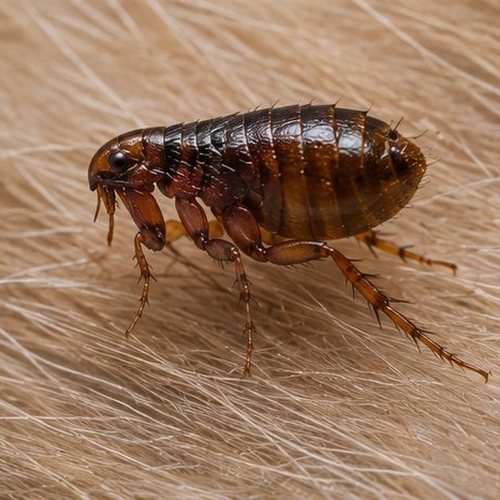
The flea found on cats and dogs in British homes is usually the cat flea, wherever you live. What changes in the countryside is how many chances the animal has to pick them up. A cat that hunts along hedgerows, a dog that runs through field margins and woodland, and gardens that hedgehogs, foxes and other wild animals cross every night all mean more contact.
Hedgehog fleas and bird fleas do turn up on pets from time to time. They do not usually settle into a house the way the cat flea does, but finding one is a reminder that wildlife is close. Why the species rarely changes what is done is covered on cat fleas or dog fleas.
Nests in the Roof and Eaves
Birds nest in eaves, roof spaces and outbuildings, and their fleas and mites live in the nest. When the young fledge and the nest is abandoned, those parasites go looking for a new host and can find their way indoors, usually into the rooms nearest the nest. If bites start in an upstairs bedroom in a house with no pet, look up before you look down.
An old nest is best removed once it is empty and the birds have gone for the season; active nests of wild birds are protected and must be left alone.
The Shed, the Barn and the Boot Room
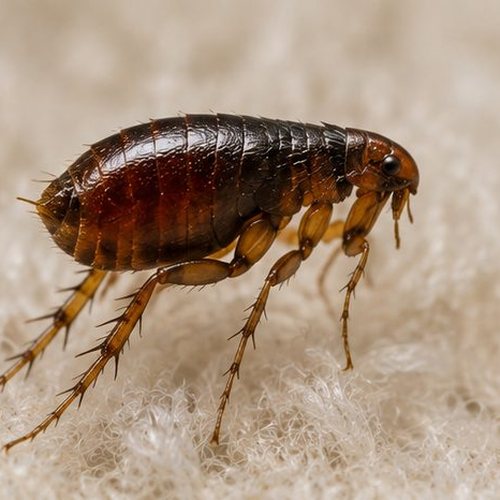
A dog that sleeps in a utility room, a cat that naps on a sack in the barn, or a kennel in the yard are all places flea eggs fall and larvae grow. They are often forgotten because nobody lives there, and they are exactly where an infestation survives a house treatment.
- Old blankets, sacks and straw where an animal sleeps: bag and dispose of them, or wash what can be washed.
- Stable, tack room or workshop floors: sweep out the debris and dust larvae feed on.
- Log stores and wood piles the cat uses: move its bed somewhere that can be cleaned.
- Vehicles the dog travels in: vacuum the seats, footwells and boot.
Treat where the animal rests, not just where you live. A clean house with an untreated outbuilding next door will have fleas again within weeks.
Vehicles and pet beds are covered in more detail on our car, dog bed and routes page.
Planning a Visit to a Country Property
Tell us about every building the animals use when you ring. The treatment is a fixed £220 that is confirmed with you before anything is booked, and knowing about the outbuildings up front is how that confirmation stays accurate. Chickens, ducks, horses and other livestock need mentioning too, as do ponds, fish tanks and any birds kept indoors, because they change where treatment can go.
Every animal on the property that can carry cat fleas — working dogs and barn cats included — needs the vet's treatment at the same time. We treat the buildings; the vet treats the animals. In Pangbourne and the countryside around it, a roaming cat left untreated is the most likely reason fleas return.