
How Fleas Come Home With a New Animal
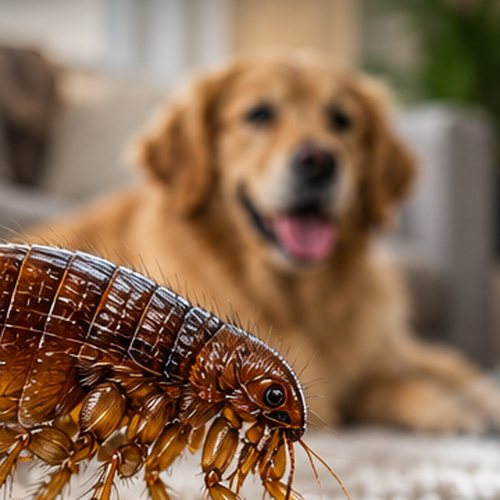
Puppies, kittens and rescue animals often come from places where several animals live together: a litter, a foster home, a kennel, a farm. Fleas pass easily between animals kept close, and a young or recently rehomed animal may not have had any flea treatment yet, or not one that is still working.
None of that means the breeder or rescue did anything wrong. It simply means a new arrival should be treated as a possible source until the vet has seen it, however clean it looks.
The First Few Days
The most useful thing you can do, in Woodley or anywhere else, is get the new animal checked by a vet promptly and ask directly about fleas. Young animals cannot always have the same products as adult ones, and the vet will choose something suited to its age and weight. That is their call, not ours: we treat the home, not the animal.
- Keep the new arrival to one or two rooms at first, with a bed that can go through a hot wash.
- Comb it over a sheet of white paper. Black specks that turn red-brown when dampened are flea dirt.
- Wash its bedding and any blankets that came with it hot, and keep doing so weekly.
- Vacuum the rooms it uses every day, then empty the vacuum outside.
The part people miss: the resident animals. If there is already a cat or dog in the house, speak to the vet about treating it at the same time as the newcomer, because the fleas will not stay on the new one.
If Fleas Have Already Spread
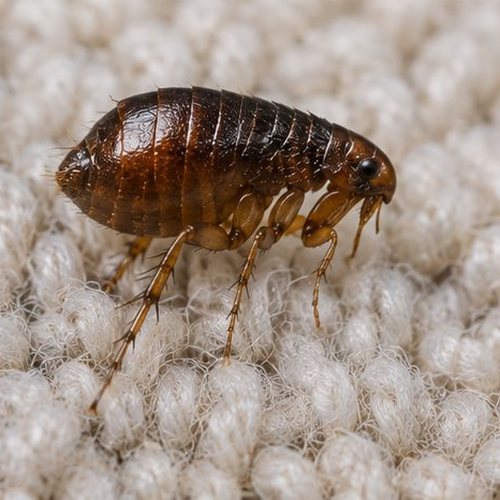
Contain a problem early and a new animal's fleas may never settle. But if the puppy has had the run of the house for a few weeks, eggs will have dropped wherever it slept and played, and those develop out of sight in the carpet and soft furnishings. Bites around the ankles, or fleas turning up on a pet that was clear before, are the signs it has moved on.
At that point the animals and the house both need treating. What to look for is covered in the signs of fleas in your home. The home treatment is a fixed £220 and is confirmed before anything is booked.
Treating a House With a Young Animal In It
What we apply is usually a residual insecticide on floors, carpets and furnishings, often alongside an insect growth regulator. Every person and every animal, including the new one, stays out of the treated rooms until they have dried, and you follow the instructions given on the day.
A young animal has usually already been confined to a crate or pen at some point, so arranging for it to spend treatment day in one room that is not being done, or with a friend, tends to be straightforward. Tell us at booking about any baby, pregnancy, breathing condition, fish, birds, reptiles or small caged pets. The general rules are in our advice on treatments around children and pets.
A New Kitten in a Cat House
Cats bring their own habits: high shelves, window sills, the back of the sofa, the bed. If the newcomer is a kitten joining other cats, the Bracknell page on cat households covers where their fleas tend to end up.