
Why an Empty House Bites When You Arrive
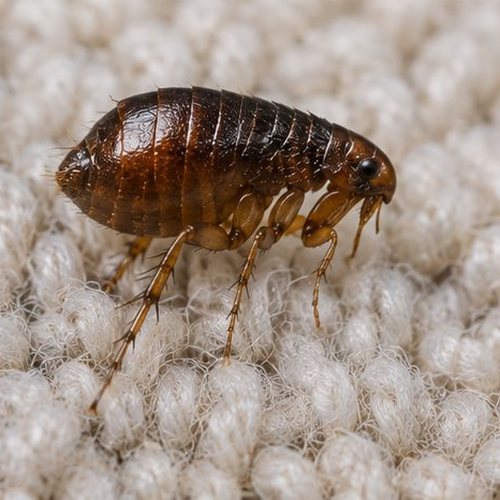
When the last occupant's pet left, it left fleas in the floor at every stage of their life. The eggs hatched, the larvae fed and then spun silk cocoons, and inside the cocoons they became adult fleas that did not come out. With nobody in the house there was nothing to come out for.
A flea inside its cocoon can wait for weeks or months. What triggers it to hatch is the arrival of a host: vibration from footsteps, warmth and movement. A removal day provides all of that at once. The result is a burst of hungry adults all emerging in the same few days, with only you to feed on.
Sandhurst is home to the Royal Military Academy and sees frequent moves, and places like it see this pattern most because houses change hands and stand empty between occupants more often.
If You Have Not Moved In Yet
This is the best position to be in. An empty house is the easiest to treat: every floor is clear, every edge can be reached, and nobody has to move out for the day.
The one thing that matters: if you suspect fleas in a house you are about to move into, get it treated before the furniture goes in. Clear floors are treated fully; floors under a full house of boxes are not.
Signs to check for on a visit before moving: walk every carpeted room slowly in white socks, look for black specks along the skirting and in the corners, and read the inventory or ask the agent whether a pet lived there. Being bitten on a viewing is a strong hint.
If You Are Already Unpacked
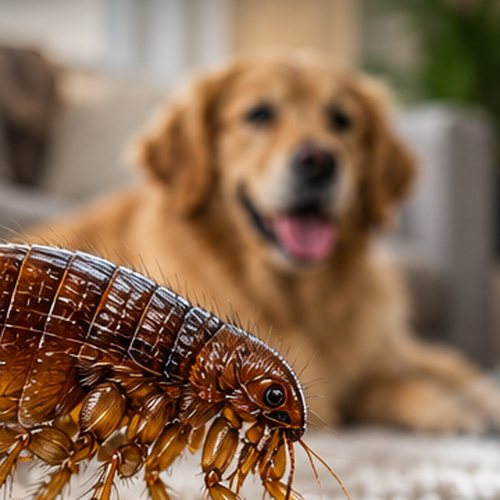
It can still be done well. Before the visit, vacuum every floor thoroughly, get boxes and clutter off the carpets as far as you can, and wash any bedding or throws that have been on the floor. Vacuuming daily in the meantime helps, because it triggers pupae to hatch and catches the adults.
We treat the home: a residual insecticide on floors, carpets and soft furnishings, usually with an insect growth regulator. Everybody, and any animal you have brought with you, stays out of treated rooms until they have dried. At booking, tell us about babies, pregnancy, asthma or other breathing conditions, and any fish, birds, reptiles or small caged animals.
If you have a pet of your own, it needs a vet's flea treatment before it arrives or as soon as it does, so it does not become a new host for the fleas already there.
Renting or Buying: Who to Tell
If you are renting, report it in writing to the landlord or agent with the date you moved in. Who pays depends on the tenancy and on the cause, and we are not legal advisers; our page on rented homes where a previous tenant's pet left fleas goes through what to send. If you have bought, the treatment is simply a fixed £220 — confirmed with you before it is booked.
The Weeks After Treatment
Because the whole problem is cocoons, you should expect some fleas for a few weeks after the visit. Cocoons resist treatment, so the fleas inside have to hatch, land on a treated floor and die, and that takes time. Keep vacuuming and do not wash the carpets for the period you are told. What is normal and when to call us back is set out in how long flea treatment takes to work.