
What a Flea Bomb Actually Does
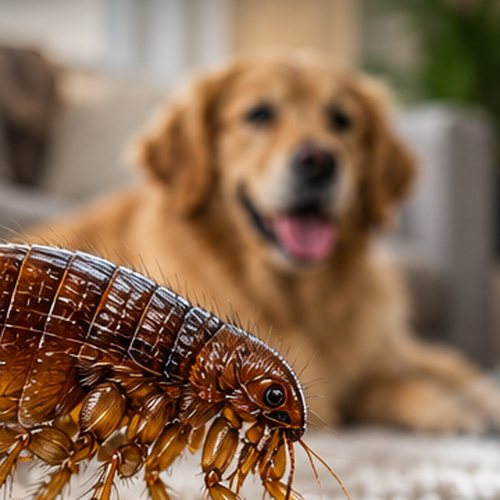
A flea bomb, or fogger, releases a mist that hangs in the room and then falls. Wherever it lands — the top of the carpet, the middle of the floor, the seat of the sofa — it will kill adult fleas it touches. That is why the first few days after one can look like a success.
The trouble is where it does not land. A falling mist does not go sideways under the sofa, behind the television unit, beneath the bed or along the gap between carpet and skirting board. Those are the dark, sheltered places where larvae live, and they are left untouched.
The Part No Spray Reaches
Most of an infestation at any moment is not the adult fleas you can see. It is eggs, larvae and pupae in the home. The pupa sits inside a silk cocoon that resists insecticide, and it can wait for weeks before it hatches.
So a bomb or a can of spray kills the adults that are out, the house goes quiet, and then the next wave emerges from cocoons that were never affected. People reasonably conclude the product failed, buy another, and go round the same loop again.
The one thing to understand: a product that kills adult fleas on contact is not treating the problem, only the part of it that happens to be awake. Anything that works has to stay active on the surfaces while the cocoons hatch.
What DIY Does Well
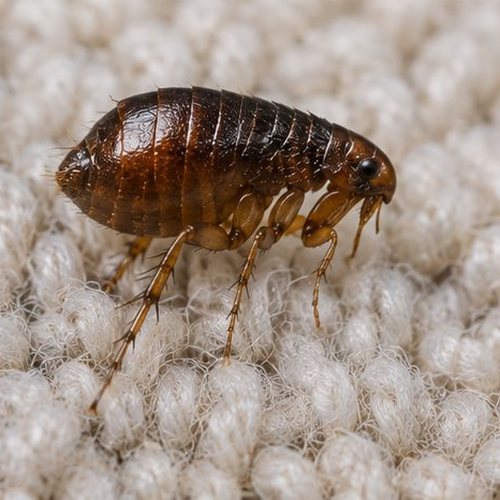
None of this means doing things yourself is pointless. Several things help a great deal, and we ask people to do them whether or not we treat the house.
- A vet's treatment for every cat and dog in the house, kept up on the schedule the vet gives you.
- Vacuuming every day, including sofa cushions, stairs and the edges of rooms, and emptying the vacuum outside.
- Washing pet bedding and throws on a hot wash.
- Keeping the pet's favourite resting places clear so they can be cleaned properly.
A household spray used carefully under furniture and along edges will do more than a bomb, but it still will not touch the cocoons. The live comparison of DIY and professional treatment covers the general point.
If You Have Already Used Something
Tell us the product and the date. It affects what we apply and when, and some products left recently on a surface are worth knowing about before anything else goes down. Do not set off another bomb in the days before our visit.
Foggers need every flame and pilot light out, smoke alarms considered, and fish tanks covered and pumps switched off. If one has been set off with a tank or a bird in the room, tell us and speak to your vet.
What We Do Differently
We apply a residual insecticide by hand to carpets, floors, soft furnishings and pet areas, working into the edges and under the furniture a mist never reaches, usually with an insect growth regulator that stops larvae becoming adults. It stays active while the pupae hatch over the following weeks, which is the gap a shop product leaves. In Crowthorne, as elsewhere, it is a fixed £220 that is confirmed before anything is booked.