
First: Is It Actually a Return?
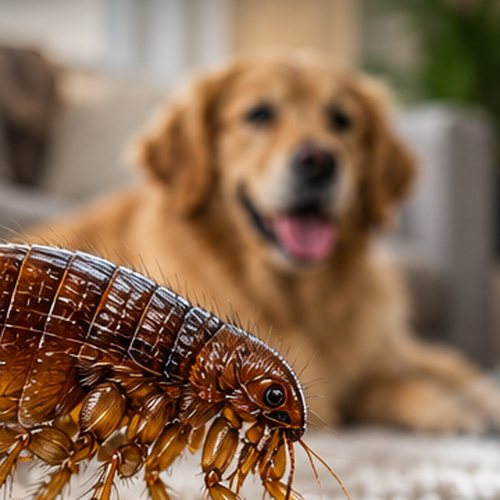
The most common false alarm is the normal emergence after treatment. The flea's cocoon resists insecticide, so pupae that were already in the carpet when we visited are untouched. Over the following weeks they keep hatching, especially when vibration and warmth wake them, and every one of them meets a treated surface and dies. While that is going on you will still see fleas, and you may still be bitten.
The pattern tells you which it is. Emergence fades gradually over those weeks. A genuine return does the opposite: things settle, then numbers climb again later. The article on how long flea treatment takes to work explains what to expect in that period.
Do not wash or shampoo the carpets early. It is the single most common way people undo a treatment while trying to help. Keep vacuuming instead, and leave the carpets alone for the period you were told.
The Animal Is the Usual Answer
If the fleas have genuinely come back, look at the animals before anything else, because every new egg comes from one of them.
- One pet treated, another not. The second cat that is rarely indoors, or the dog nobody thought had fleas, keeps the cycle going on its own.
- The vet treatment lapsed. A dose that ran out a few weeks ago, or was missed during a busy month, leaves a window for fleas to breed again.
- The product was not suited to the animal. Only your vet can advise on that, and it is worth asking if fleas keep reappearing on a pet that is being treated regularly.
- A new animal arrived. A puppy, kitten or rescue animal can bring fleas with it, even into a house that was clear.
We treat the home, not the animal, which is exactly why the two have to happen together. The page on the vet's treatment and ours goes into why neither works alone.
Visitors From Outside
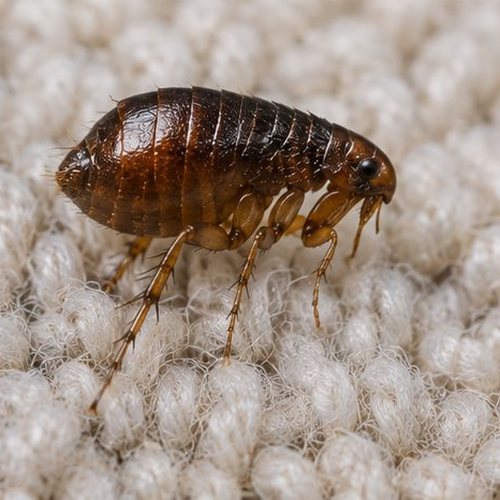
A clean house and a treated pet can still pick fleas up from elsewhere. A neighbour's cat that comes in through the cat flap, hedgehogs and foxes using the garden, or birds nesting in the eaves above a window can all be the source. Your own pet may be collecting fleas outdoors that its treatment then deals with, but an untreated visitor brings eggs straight in.
The clue here is timing and place. Fleas reappearing near the back door or the cat flap, or in a spring and summer when the garden is busy, point outward rather than at anything you did.
Something Left Out Last Time
If the animals are all accounted for, the next question is whether part of the house was not treated. The usual suspects are a room kept shut that the pet did use, a carpeted stair or landing, the car the dog travels in, and the dog bed itself if it was kept rather than washed hot or replaced. Any of those can hold eggs and pupae that hatch after the treated areas are clear.
Think back over the last few months of the animal's life rather than the last few days. A spare room the cat used over Christmas counts, even if it has been shut since.
What to Do Next
Once you know the cause, deal with that first. Get the animals seen by the vet, find the missed room or the car, and take the old bedding out of circulation. If a second treatment of the home is needed, it costs a fixed £220 and is confirmed before anything is booked, and we will talk through what changed before we come. The same safety rules apply: everyone and every animal out of treated rooms until dry, and tell us about babies, pregnancy, breathing conditions and any fish, birds, reptiles or caged pets.
Keeping them away once the house is clear is a different job, and the page on keeping fleas away for good sets out the routine.