
Why You Still See Fleas
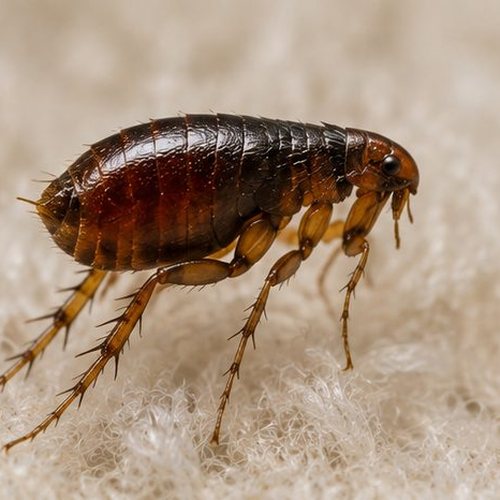
A flea spends part of its life as a pupa wrapped in a silk cocoon, down in the carpet pile, in the gaps between boards or inside soft furnishings. That cocoon resists insecticide. Nothing applied to the room gets through it, so the flea inside is untouched on the day of the visit.
The treatment deals with that by staying on the surfaces. A residual insecticide keeps working for a period after it has been applied, and when a new adult climbs out of its cocoon it has to cross treated carpet to get anywhere. It dies soon afterwards. Meanwhile the growth regulator stops larvae already in the home from becoming the next batch of pupae.
Fleas after treatment are usually the treatment working. What you are seeing are adults emerging from cocoons that were already there, and the numbers should fall away over a few weeks.
What Makes Them Hatch
A pupa can sit in its cocoon for weeks or even months, waiting. It is triggered by signs that a host is nearby: vibration from footsteps, warmth, and movement. That is why the fleas people notice after treatment tend to turn up where the household walks and sits, and why a room nobody uses can keep producing them slowly for longer.
It is also why going away straight after a treatment is not ideal. An empty house gives the cocoons no reason to open, so the emergence is simply postponed until you come back.
Vacuum Every Day
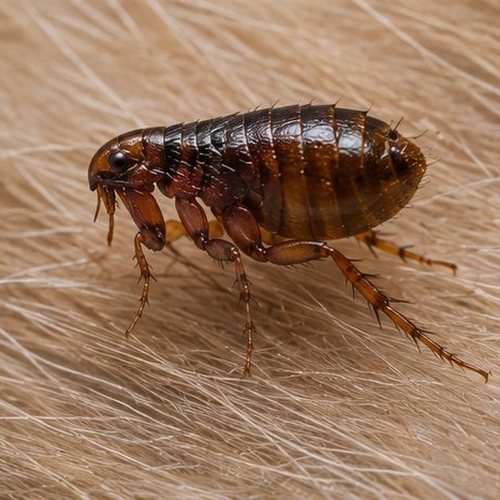
Daily vacuuming is the most useful thing you can do in the weeks after a visit. The vibration and suction encourage more pupae to hatch, and the sooner they hatch the sooner they reach the treated surface. It also picks up eggs, larvae and dead fleas from the pile.
- Cover every treated room, not just the busy ones.
- Run the crevice tool along skirting boards, stair edges and under the sofa.
- Empty the vacuum or change the bag into an outside bin each time.
- Keep walking through rooms that are normally shut; the footsteps help as much as the vacuum.
What Not to Clean
Do not wash, shampoo or steam clean carpets and rugs for the period the technician tells you. Wet cleaning strips the treatment out of the pile before the last fleas have hatched, which leaves them nothing to land on. Vacuuming is fine; water is not.
Pet bedding is different: keep washing it hot. Keep the animal’s own treatment from the vet up to date as well, because a pet that picks up a flea outside and brings it home restarts the cycle whatever is on the carpet.
When to Ring Us Again
Seeing a few fleas in the first couple of weeks is normal. Seeing steady numbers, or more rather than fewer, well past the period the technician described is worth a call. The usual reasons are a pet that was not treated or whose treatment has lapsed, a room or a dog bed that was missed, or the carpets being washed too early. There is more on those in why flea infestations come back.
Ring 0118 336 1366 and tell us what you are seeing and where. Sometimes the answer is to keep going for another week; sometimes a second visit is worth discussing, and we will say which.
Once the fleas have stopped, keeping them away is mostly about the pet’s routine and a few habits around the house, set out on our page on preventing fleas for good.