
The Cat Flea and Where It Ends Up
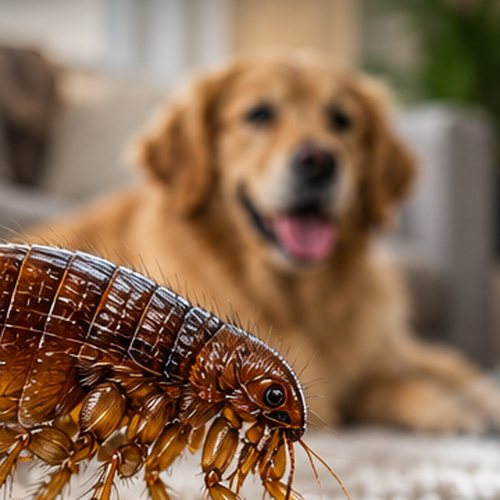
The cat flea is the flea usually found on both cats and dogs in UK homes, so in a cat household there is no mystery about the species. Whether the species matters at all is covered in cat fleas or dog fleas. What matters more is where a cat spends its time.
A dog sleeps in a bed and on the floor. A cat sleeps on beds, sofas, windowsills, the tops of wardrobes, airing cupboards, in boxes, on piles of laundry and under the stairs. Eggs fall off wherever it settles, so in a cat household the fleas are spread more widely and higher up than people expect.
Signs Cats Give You
Cats groom so thoroughly that you may never see a flea on one. What you notice instead is extra grooming, nibbling at the base of the tail, scratching at the neck, or small scabs under the fur. Flea dirt in the bedding, black specks that turn reddish-brown on damp white paper, is a more reliable sign than looking for the fleas themselves.
Indoor cats are not immune, and that includes cats in a flat or a terrace on one of Bracknell's older estates. Fleas come in on people, on visiting animals, or from a previous occupant's pet, and an indoor cat in a warm house can support a large number of them.
Every Cat, Every Time
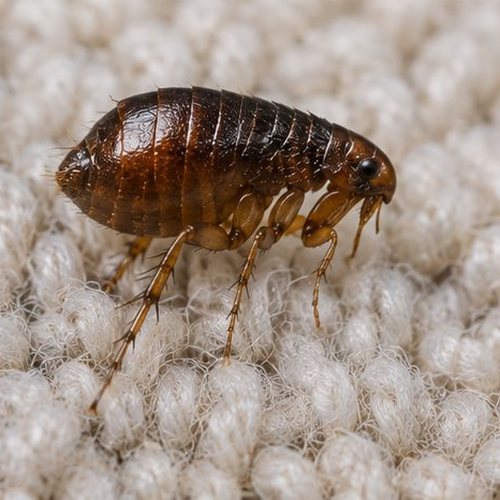
The one thing that matters: every cat in the house is treated by the vet, or with a product the vet recommends, at the same time as the home. One untreated cat keeps the whole cycle going for all the others.
We treat the home, not the animals. Ask the vet which product suits each cat, particularly for kittens, older cats or cats with health conditions. Some flea products sold for dogs are dangerous to cats, so never use a dog product on a cat without the vet's say-so.
Treating a Home Built Around Cats
The treatment is a residual insecticide on floors, carpets and soft furnishings, usually with an insect growth regulator. In a cat household it has to follow the cats: their favourite chairs, the rug by the radiator, the landing, the spare bed nobody uses except the cat. Before the visit:
- Wash all cat bedding, throws and blankets on a hot wash.
- Vacuum everywhere the cats go, including sofa cushions and under beds, then empty the vacuum outside.
- Clear the floor so carpets and edges can be reached.
- Tell us where the cats sleep that you would not think of as a cat bed: the airing cupboard, a wardrobe floor, a box.
On the day the cats need to be out of the treated rooms until they have dried, and so does everybody else. For cats that is often easiest done by shutting them in one untreated room, or with a friend or a cattery for the day, with food, water and a litter tray. At booking, mention babies, pregnancy, breathing conditions, and any fish, birds, reptiles or small caged animals.
Getting the Timing Right
Ideally the cats are treated by the vet a little before, or on, the day of the home treatment. Adults will keep hatching from cocoons for a few weeks afterwards; a treated cat and a treated floor between them deal with those. The price for the home is a fixed £220 — confirmed with you before anything is booked.
If fleas come back after a few months, the usual cause in a cat household is one cat whose treatment has lapsed, or a neighbour's cat coming in. Working out which is covered in why flea infestations come back.