
First, Is It Fleas at All?
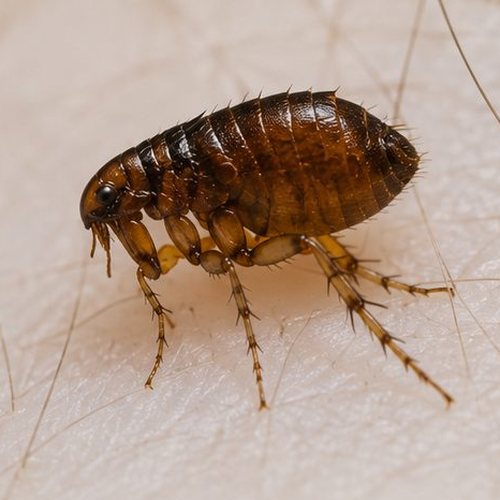
Before looking for a source, it is worth being fairly sure of what you have. Flea bites are small, itchy red spots, usually in clusters on the ankles and lower legs. Other things bite too: gnats in the garden, mites, and bed bugs, which tend to bite the upper body at night. Telling them apart is covered on our page about what bit you, and bed bugs specifically in bed bugs vs fleas.
The easiest confirmation is to walk slowly across the carpet in white socks, especially in rooms nobody has been in for a while. Fleas show up as dark specks on the white. We cannot diagnose bites; for symptoms, a pharmacist or GP is the person to see.
Where Fleas Come From When There Is No Pet
A flea needs an animal to breed. If there is none in the house now, one of these is usually the answer:
- A previous occupant's pet. Eggs and cocoons stay in the floor for a long time after the animal has gone.
- A visiting animal. A neighbour's cat that comes in through a door or window, or a friend's dog that stays over.
- Wildlife. Birds nesting in the eaves or a loft, a hedgehog or fox under decking or in an outbuilding, or a squirrel in the roof space.
- A pet that has died or been rehomed. Fleas can go on hatching from the carpet for months afterwards.
Around Ascot, larger houses with big gardens and woodland or heath around them see more wildlife close to the building, and more places for it to shelter. That does not make it likely, but it is worth thinking about which animals have been close to the house recently.
The question that solves most cases: which rooms are the bites worst in, and what animal has had access to those rooms, or to the space above or below them? The answer usually points straight at the source.
Dealing With the Source as Well as the Fleas
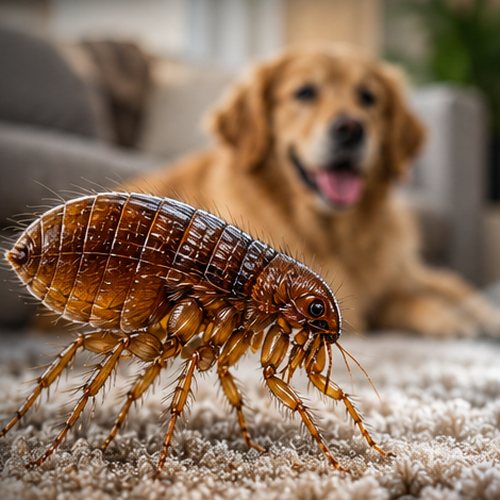
If the fleas came from a previous pet, treating the home is enough on its own, because nothing new is arriving. If they came from a visiting cat, keeping it out matters as much as the treatment. If wildlife is involved, an old bird's nest in the loft or an animal living under a floor needs dealing with, or the fleas will keep finding their way in.
Bird fleas and hedgehog fleas can bite people, though they prefer their own hosts. Removing an old nest once the birds have left for the season is often the end of it; an active nest of a protected bird should be left alone until then.
What the Treatment Covers
We treat the home, focusing on the rooms where bites and fleas have been found and on the routes to them: a residual insecticide on floors, carpets and soft furnishings, usually with an insect growth regulator. With no pet, the treatment does not need to follow an animal's routine, which often makes it more targeted.
Everybody stays out of treated rooms until they have dried, and the timing given on the day is the one to follow. Tell us at booking about babies, pregnancy, breathing conditions, fish, birds, reptiles or small caged animals in the house.
It is a fixed £220 and we confirm that before anything is booked.
Afterwards
Expect a few fleas for a few weeks as the last cocoons hatch and meet the treated floors. With no animal to feed on, those stragglers do not breed, so the numbers should drop steadily. Vacuuming daily speeds that up.