
What Is Actually Used
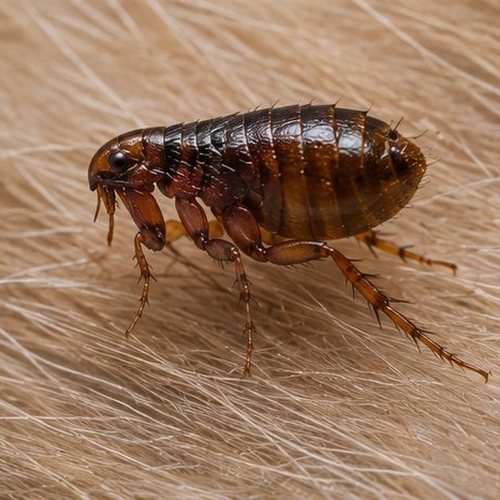
A home flea treatment is typically a residual insecticide applied to floors, carpets, soft furnishings and the areas where the animal rests, often combined with an insect growth regulator. The insecticide stays on those surfaces for a period so that fleas hatching later still meet it. The growth regulator interferes with the development of flea larvae.
It is applied to the floor level and the furniture the pet uses. It is not sprayed into the air of the room, onto beds people sleep in, into food cupboards or onto the animal. Where exactly it goes in your home is decided on the walk-round and explained to you before anything is applied.
Everyone Out Until It Has Dried
This is the one rule with no exceptions. Every person and every animal stays out of the treated rooms until the treatment has dried. The technician tells you on the day how long that is likely to take, and it depends on the room, the carpet and the weather. Follow those instructions rather than a general figure read somewhere else.
Out until it is dry, and follow what you are told on the day. That applies to toddlers, the dog, the cat and the grandparent who is only popping in.
When you come back, open windows if you have been asked to, and keep crawling babies and pets off the treated carpet for any further time the technician gives you.
What to Tell Us When You Book
Some situations change how and where we treat, or how long people need to stay away. Please mention any of these on the phone, before a date is set:
- a baby or young children in the house
- anyone who is pregnant
- anyone with asthma or another breathing condition
- a fish tank or pond pump in a room to be treated
- pet birds, which are sensitive to anything in the air
- reptiles, and small caged animals such as rabbits, hamsters, guinea pigs and gerbils
None of these rules a treatment out on its own. They change the instructions, and sometimes the plan, so we need to know in advance rather than on the doorstep. If children’s rooms are part of your worry, our page on fleas in a house with children deals with their bedrooms and bites. For getting the house ready, see how to prepare your home.
The Animal Is the Vet’s Job
We treat the home, not the animal. Nothing we use goes on a cat, dog or any other pet. The animal is treated by your vet, or with a product the vet recommends for that species, weight and age.
Some products sold for dogs are dangerous to cats. Never use a dog flea treatment on a cat, and check with the vet before treating rabbits or other small animals.
If Someone Feels Unwell
Flea bites on people usually settle on their own, but some people react badly to them. For itching, swelling or anything that worries you about the bites, or about how someone feels after being in the house, speak to a pharmacist or your GP. We are pest controllers, and that is a question for them.
For a wider view of how treatments of all kinds are handled around a family, the site’s advice page on pest control around children and pets covers the general principles.