
Why Commercial Premises Attract Mice
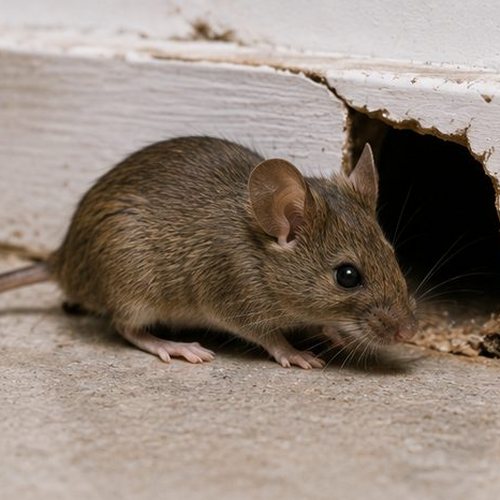
Business units such as those around Theale offer everything a mouse wants in one place. Deliveries arrive on pallets and in cardboard, loading doors stand open for long spells, and there are suspended ceilings, raised floors, cable trays and boxed service runs that nobody inspects from one year to the next.
Staff areas matter as much as stock. A tea point with a biscuit tin, a microwave nobody cleans behind and a bin emptied weekly can sustain mice in an office that sells nothing edible. On a business park or industrial estate, neighbouring units and shared bin stores add pressure from outside.
Food Businesses and the Law
A business that prepares, stores or sells food has a legal duty to keep pests out of it. That covers restaurants and cafés, but also food storage, packing and distribution. Evidence of mice on food premises is taken seriously by inspectors, and the time to act is when the first droppings appear, not after a complaint.
- Keep a written note of every sighting, with date and place.
- Record what was done and when, including cleaning.
- Store food off the floor and in sealed containers.
- Discard anything that has been gnawed or soiled.
- Keep external doors shut when they are not in use.
Those records show that you noticed and acted. They are also the fastest way for us to see the pattern of where the mice are moving. Cleaning up droppings and contaminated surfaces safely is set out on our page on droppings and hygiene.
What matters most on food premises: act on the first sign and write it down. A clear record of what you found and what you did is worth more than any single treatment.
What a Commercial Visit Covers

The survey starts outside: loading bays, door seals, gaps where services enter, and the bin area. Inside, we look at goods in, storage, kitchens and staff areas, and the voids above and below. Locked, tamper-resistant bait stations and traps are placed on the runs, away from food handling and out of reach of staff and the public.
We then tell you plainly where the mice are getting in and what needs sealing, including anything that falls to the landlord of the unit rather than to you. Treatment on premises takes days to weeks, with activity tailing off rather than stopping at once.
Timing, Access and Price
Tell us your trading hours, when deliveries come in and who holds the keys. Visits can be planned around the working day so that staff and customers are not disturbed, and the instructions given on the day about food areas should be followed.
Pricing for business premises depends on the premises, so it is confirmed for your site before anything is booked. If there are rats rather than mice, that is a separate service: see our rat control pages. More on protecting a business from pests generally is in our advice for businesses.