
For a business, a pest problem is rarely just a pest problem. It can mean lost stock, a failed hygiene inspection, an awkward conversation with a client who's spotted something they shouldn't have, or a review left online that's hard to shift. Whether you run a café in Reading town centre, a warehouse near the M4, or an office in Slough, it's worth thinking about pest control as part of ongoing property management rather than something you only deal with once there's a visible problem.
Why businesses are particularly exposed
Commercial premises often have features that make them more attractive to pests than a typical home: deliveries coming and going, larger bins, stored packaging, and in many cases food preparation or storage on site. Older commercial buildings can also have more entry points than a modern property, from loading bay doors left open to gaps around service pipes. All of this means pests can establish themselves quickly if the conditions are right, and the consequences of an infestation tend to be more serious for a business than for a household.
The reputational risk
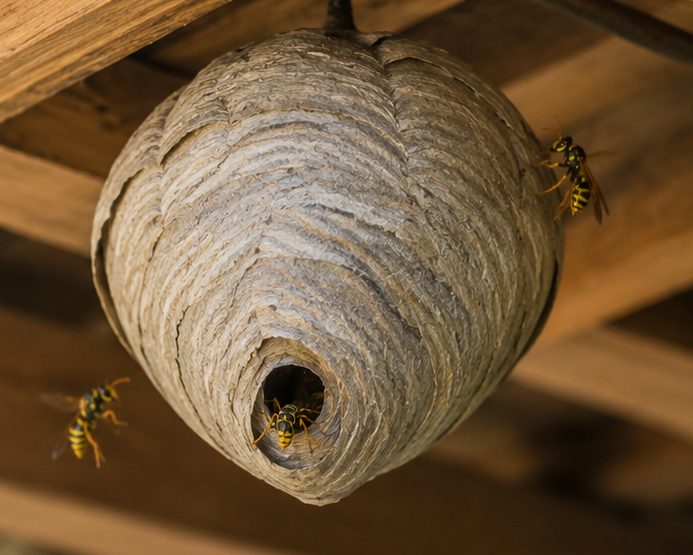
A single sighting of a mouse or a wasp nest near an entrance can do lasting damage to how customers or clients view a business, particularly in hospitality, retail or food service. Word travels fast, whether through word of mouth or an online review, and it's much harder to undo that impression than it would have been to prevent it. Being seen to take pest control seriously, and dealing with any issue swiftly and discreetly, matters as much as the practical side of removing the pest itself.
Compliance and due diligence
Businesses handling food have specific hygiene obligations, and pest control forms a part of that due diligence, but even offices, retail units and warehouses benefit from being able to show they take the issue seriously. Keeping a record of inspections and any treatments carried out can be useful if you're ever asked to demonstrate good practice, whether that's for an environmental health visit, an insurance query, or simply your own peace of mind.
Common problem areas to watch
Bin stores and loading areas are a frequent starting point for rodent problems, particularly if waste isn't cleared regularly. Roof voids and false ceilings can harbour wasp nests or provide access for mice. Stockrooms and storage areas, especially where packaging or food is kept, are worth checking periodically for droppings or gnaw marks. Staff who work in these areas day to day are often the first to notice something isn't right, so it's worth encouraging them to flag any concerns early rather than waiting.
Taking a proactive approach
Rather than waiting for a problem to appear, many Berkshire businesses find it more practical to have a pest control provider they can call on regularly, or at the first sign of an issue, so problems are dealt with before they affect trade or reputation. A short, scheduled check-up now and then can catch a minor issue, such as a small gap under a fire door or a wasp nest starting to form in a roof void, well before it becomes something that affects customers, deliveries or staff on site. Treatments and inspections can usually be arranged around opening hours or quieter trading periods, so there's minimal disruption to staff or customers.
A sensible long-term investment
The cost of a pest control problem for a business tends to be measured in more than just the treatment itself. Lost trading time, damaged stock, and the effort involved in rebuilding customer trust can add up to far more than the price of dealing with an issue early. Pest Services Berkshire works with businesses across the county on mice, rats, wasps and other common commercial pest issues, helping you protect both your property and the way your business is seen by customers and staff alike.
Get a Free Pest Control Quote in Berkshire
Every pest problem is different — the fastest way to get an accurate answer is a quick chat with our team.