
Contaminated Food and Surfaces
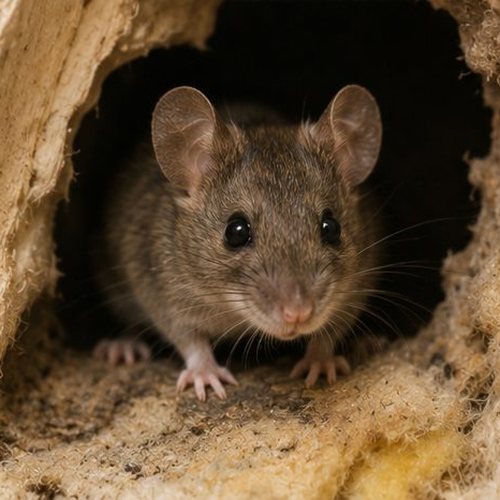
A mouse does not keep its droppings and urine in one place. It leaves them as it moves, across worktops, inside cupboards, on stored food and along the shelves where plates and pans sit. It does this every night, on the same routes.
Droppings and urine can carry bacteria such as salmonella, which causes food poisoning. The risk is not usually the mouse itself; it is the food it has walked over or chewed into, and the surfaces you then prepare food on. Anything in a packet that has been gnawed open should be thrown away rather than decanted.
- Keep dry food in sealed glass, metal or hard plastic containers.
- Wipe worktops before preparing food, not just after.
- Wash plates and pans that have been stored where mice run before you use them.
Allergies and Asthma
Proteins in mouse urine become part of household dust as it dries. In some people that can trigger an allergic reaction, such as sneezing, itchy eyes or a runny nose, or make asthma worse. Most people living with a few mice feel nothing at all, but it is worth knowing if someone in the house has asthma and it has been harder to control lately.
This is also why disturbing droppings carelessly is a bad idea. Dry sweeping or vacuuming them raises exactly the dust you want to avoid breathing. Our droppings and hygiene page explains how to clear them up properly.
If you feel unwell. If anyone in the home has symptoms they think could be linked to mice, such as stomach upsets or breathing getting worse, speak to a pharmacist or GP and mention that you have mice. We deal with the mice; they deal with the health question.
Gnawed Wiring and Fire
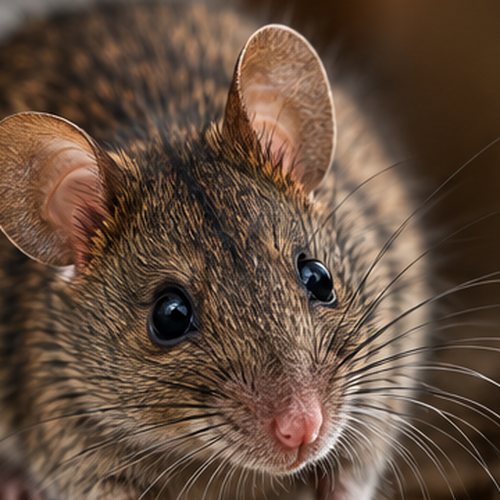
Mice gnaw constantly, and cables are just the right thickness. They chew through the insulation on wiring in lofts, under floors and behind appliances, where nobody sees the damage until something stops working. Bare or nicked wires can short out and start a fire.
If you find chewed cables, do not handle them. Switch off the circuit if you can do so safely and have a qualified electrician look at them. Tell us where you found the damage, too, because it is a clear marker of a route the mice use.
Other Damage Around the House
Beyond wiring, mice shred loft insulation for nesting, which reduces how well it works, and gnaw through plastic pipes, the backs of kitchen units and stored belongings in boxes. Urine stains and smell soak into insulation and soft furnishings over time. None of it is dramatic in a week, but it adds up the longer mice are left.
Keeping Risk Down During Treatment
The treatment itself has to be handled with care. Rodenticide goes only in locked, tamper-resistant bait stations placed out of reach of children and pets, and traps go where only mice can get at them. Tell us at booking about children, pets and anyone vulnerable, and follow the instructions you are given on the day. If you think a pet has eaten bait, take it to the vet at once. The advice page on treatments around children and pets goes into more detail.