
Why It Is Not One Visit
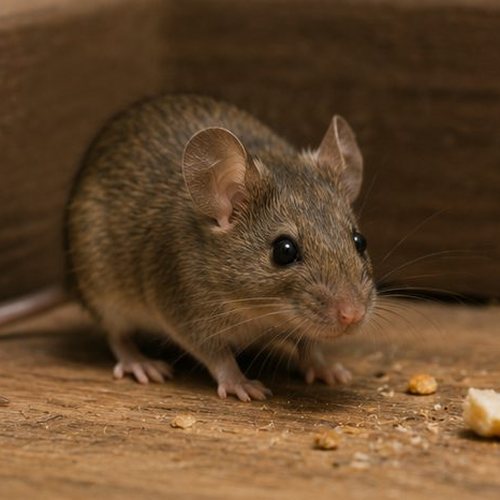
Mice feed in small amounts from many places rather than one big meal from a single spot. They are also wary of new objects on their routes, and some take a while before they go near a bait station or trap that was not there yesterday.
So treatment does not work like switching off a light. Mice take bait or meet traps at different rates over a period, and the group shrinks gradually rather than all at once. How the visits are arranged for your home is explained before booking, because it depends on the building and what the survey finds.
What Happens Between Visits
Bait stations and traps are checked, not left to chance. At each check we look at how much bait has been taken, whether traps have caught anything, and whether there are fresh droppings in places we cleared or noted before. That tells us whether the treatment is in the right places or needs moving to where the mice are really running.
Your part is to leave stations and traps where they are, keep food sealed away so the bait is the easiest meal around, and tell us what you notice. The article on what happens during a visit covers the day itself.
What You Should Notice Change
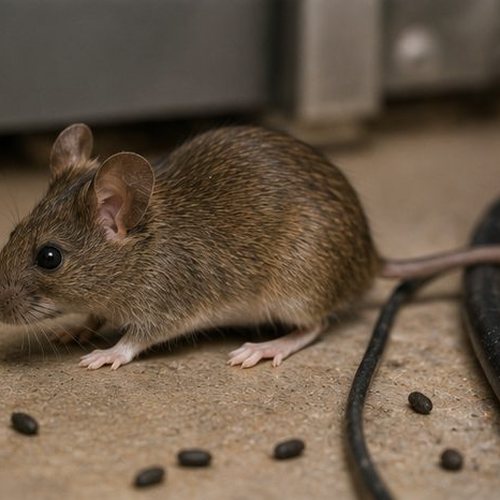
Things usually shift in a recognisable order. It is a trend over time, not a clean stop:
- First few days. Activity can seem the same or even busier, as mice move about more once treatment is down. This is normal and not a sign it is failing.
- After that. Fewer fresh droppings, less new gnawing, quieter nights. Bait take drops at checks.
- Towards the end. No fresh droppings in areas that have been cleaned, no noises, and bait left untouched.
A smell can appear for a while if a mouse dies somewhere you cannot reach, such as under a floor or inside a wall. It is unpleasant but fades as the body dries out. Tell us if it is somewhere we might be able to get at.
Why Proofing Sets the End Point
A house can be clear of mice today and have new ones next month if the way in is still open. That is why the job is not really finished when activity stops; it is finished when the route in has been dealt with as well.
The order matters. Gaps are sealed once the mice already inside have been dealt with, because sealing too soon traps them in the walls. So proofing tends to come towards the end, once checks show activity has died away. The routes to look for are listed in how mice get into houses.
The finish line is not the last mouse. It is no fresh signs, bait untouched, and the way in closed. All three, not just one.
When to Ring Us
You do not need to wait for the next check if something changes. Ring 0118 336 1366 if:
- a bait station has been moved, opened or damaged;
- you think a pet may have got to bait, in which case take the pet to the vet at once and ring us afterwards;
- you see fresh droppings or hear activity in a new part of the house;
- signs come back after they had stopped for a good while.