
Finding a mouse in the kitchen or moth damage in a wardrobe tells you a pest is inside your home, but it doesn't tell you how it got there. Pinpointing the entry point is one of the most important parts of any pest control visit, because without it, treatment only ever deals with what's already inside rather than stopping more from arriving.
Starting with the signs, not just the sighting
A professional inspection begins by looking beyond the room where a pest was spotted. Droppings, gnaw marks, grease marks along skirting boards, damaged fabric, shed insect casings and nesting material all tell a story about where a pest has been travelling and how long it's likely been active. Reading these signs correctly is a skill that comes from experience with how each pest actually behaves, not just what it looks like.
Working from the outside in
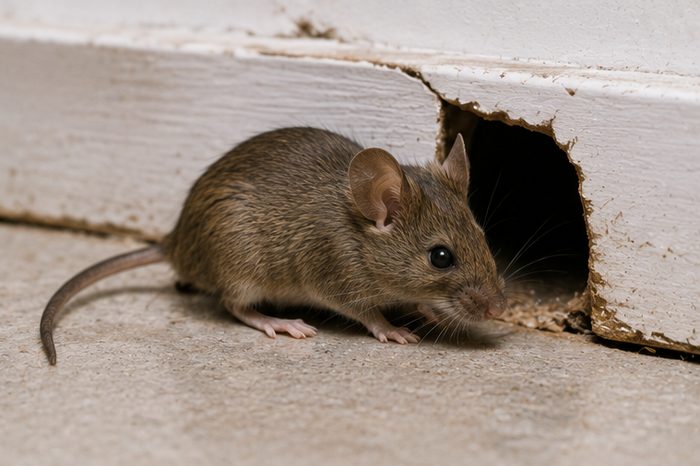
Rodents and many insects get into a property from outside, so a thorough inspection usually starts on the exterior. This means checking around the base of walls, under doors, around pipework and cabling that passes through the building, air bricks, damaged brickwork or render, and gaps around loft eaves or roof tiles. Mice can fit through gaps as small as a pencil's width, so even small, easily overlooked openings need to be checked carefully.
Checking utility and service routes
Pipes, cables and vents that pass through external walls are common entry points because sealing around them is often incomplete when a property is built or renovated. These gaps are frequently missed during a homeowner's own check because they're not somewhere you'd normally think to look.
Assessing loft and roof access
Lofts are a common entry route for mice and rats, particularly where roof tiles have slipped, soffits have gaps, or vents lack proper covers. A loft inspection also reveals whether pests are nesting in insulation, which affects how treatment is approached.
Looking indoors for the pest's route
Inside the property, an inspection looks at where pipework enters under sinks, gaps behind kitchen units, spaces under stairs, and areas around fireplaces or chimneys, all common indoor routes once a pest has found a way into the building's structure. For fabric pests like carpet moths and fleas, the inspection instead focuses on carpets, upholstery, skirting boards and pet bedding, since these pests don't need an external entry point in the same way rodents or wasps do.
Why finding the entry point changes the outcome
Treating the pests currently inside a home without finding how they got in is a bit like mopping up a leak without fixing the pipe. The problem may look resolved for a few weeks, but without sealing the route in, more pests are likely to follow the same path. A proper inspection turns a treatment from a temporary fix into a lasting one, because it addresses both what's there now and what would otherwise keep coming back.
What this means for your treatment plan
Once the entry point and extent of activity are established, the treatment plan can be tailored to the property rather than applied generically. This might mean proofing recommendations alongside the treatment itself, such as sealing gaps or fitting covers, so the fix holds for the long term. If you're dealing with a pest problem and aren't sure how it's getting in, an inspection from Pest Services Berkshire can identify the route and put a proper plan in place, covering homes across Berkshire, Slough and Reading.
Get a Free Pest Control Quote in Berkshire
Every pest problem is different — the fastest way to get an accurate answer is a quick chat with our team.