
Pest infestations rarely announce themselves clearly. Instead, they tend to build up gradually — a dropping here, a strange noise there — until the signs become too obvious to ignore. Learning to recognise the early indicators can make the difference between a quick, contained treatment and a much bigger job further down the line.
Droppings and smear marks
Rodent droppings are one of the clearest signs of an infestation. Mouse droppings are small and rod-shaped, often found near food packaging, along skirting boards or inside cupboards. Rat droppings are larger and can appear along regular routes such as behind sheds, near decking or along fence lines. Dark, greasy smear marks along walls or skirting boards, caused by rodents repeatedly brushing against the same surface, are another giveaway.
Unusual noises
Scratching, scurrying or gnawing sounds coming from walls, ceilings or under floorboards — particularly at night — often point to mice or rats. Noises during the day, on the other hand, can be a sign of squirrels rather than rodents, since squirrels are typically active in daylight hours.
Physical damage
Gnaw marks on skirting boards, wiring, furniture or food packaging are a strong indicator of rodent activity. Small bald patches in wool carpets or rugs, especially in areas that don't get much foot traffic, often point to carpet moths. Damaged fabric or clothing left in wardrobes and lofts for extended periods can also suggest a moth problem that's been developing unnoticed.
Bites and skin irritation
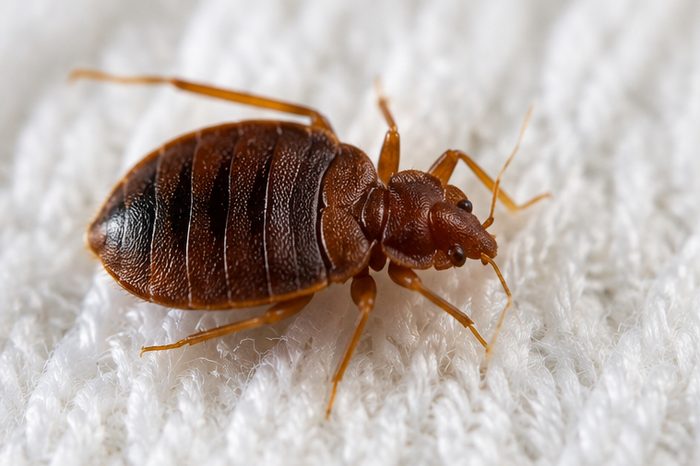
If you or anyone in the household is waking up with unexplained bites, especially in a line or cluster, it's worth checking bedding carefully for bed bugs — look for small dark spots on the mattress or sheets, which are a sign of their activity. Bites around the ankles, particularly after sitting or walking on carpet, are more commonly linked to fleas.
Nests and visible activity
A build-up of wasps flying in and out of one particular spot on the house — a loft vent, roof tile gap or shed corner — usually means there's a nest nearby. Ants forming a visible trail across a kitchen worktop or floor are following a scent trail back to a food source and a colony nearby.
Unusual smells
A persistent musty or stale odour, particularly in a loft, wall cavity or under floorboards, can indicate rodents nesting nearby, since urine and droppings build up over time in areas they frequent.
What to do if you spot the signs
If you notice one or more of these signs, it's worth investigating further before assuming the worst — a single sighting doesn't always mean a full infestation, but it's not something to ignore either. Checking likely entry points, storage areas and quiet corners of the house for further evidence will help build a clearer picture. If the signs point to something established, particularly rodents or a wasp nest, it's usually best to get a professional opinion rather than wait and see how things develop.
Keeping a record helps
If you're not sure whether what you're seeing adds up to a genuine infestation, it can help to note down when and where you spot signs of activity over a week or two. A pattern — droppings appearing in the same cupboard, noises at a similar time each night, fresh damage in the same corner of a room — gives a much clearer picture than a single one-off sighting, and makes it easier for a professional to pinpoint the cause quickly.
Local help when you need it
Pest Services Berkshire covers homes across Slough, Reading and the wider county, and can help identify exactly what you're dealing with if you're unsure. Getting an early, accurate diagnosis makes any necessary treatment simpler and more effective.
Get a Free Pest Control Quote in Berkshire
Every pest problem is different — the fastest way to get an accurate answer is a quick chat with our team.