
Dealing with a pest problem once is unpleasant enough; dealing with it again a few months later is worse. Pest-proofing your home won't guarantee you never see a pest again, but it significantly reduces the chances, and it's largely a matter of a few practical checks and some ongoing habits rather than anything complicated or expensive.
Start with the exterior
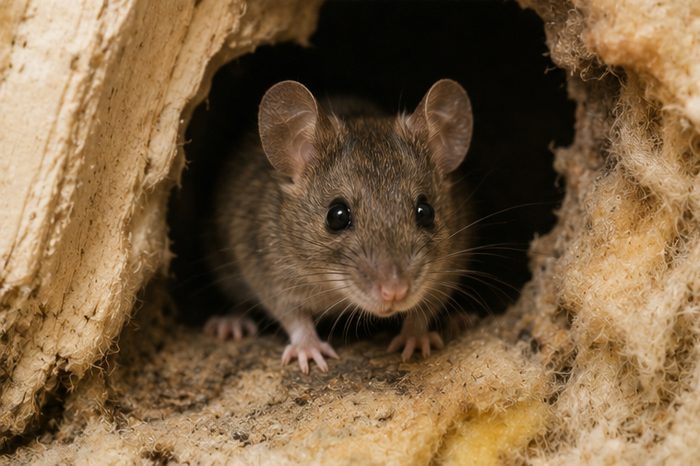
Most pest-proofing begins outside the property, since this is where the majority of entry points are found. Walk around the outside of your home and check for gaps under doors, damaged air brick covers, cracked render or brickwork, and gaps where pipes or cables pass through external walls. Even small gaps are worth sealing, since mice need very little space to get through.
Doors and windows
Fit or replace worn door thresholds and draught excluders, and check that window screens and seals are intact, particularly on ground-floor and easily accessible upper windows.
Roof and loft
Check for slipped tiles, gaps around soffits and fascias, and damaged vent covers. A loft is one of the more common places for rodents to establish themselves unnoticed, so it's worth an occasional look, particularly if you store items up there infrequently.
Manage food sources
Pests are drawn to accessible food, so store dry goods in sealed containers rather than their original packaging, clean up crumbs and spills promptly, and avoid leaving pet food out overnight. Outside, keep bins with well-fitting lids and avoid leaving bird feeders directly against the house, as spilled seed can attract rodents.
Reduce clutter and hiding places
Cardboard boxes, piles of clothing, and cluttered storage areas give pests places to hide and, in the case of carpet moths and bed bugs, places to breed undisturbed. Regularly rotating stored items, vacuuming under furniture, and avoiding long-term storage of clothing in cardboard rather than sealed containers all help reduce risk.
Second-hand items
Inspect second-hand furniture, rugs and clothing carefully before bringing them indoors, since these are a common route in for bed bugs and carpet moths that has nothing to do with gaps in the building itself.
Keep the garden tidy
Trim back branches and shrubs that touch the roofline or walls, since these act as a bridge for rodents. Keep compost bins away from the house where possible, and clear fallen fruit or excess vegetation that can attract pests looking for food and shelter.
Address damp and ventilation
Damp conditions attract certain pests and can also damage the fabric of a building, creating new gaps over time. Fixing leaking pipes, ensuring good ventilation in bathrooms and kitchens, and checking guttering is clear and properly fitted all help keep a property less appealing to pests.
Keep up regular checks
Pest-proofing isn't a one-off job. Seasonal changes bring different pests, with wasps more active in late summer and rodents more likely to seek shelter indoors as the weather turns colder in autumn and winter. A periodic walk around the property, inside and out, is the simplest way to catch small issues before they become bigger ones.
If you'd like a professional opinion on how well protected your home currently is, or you're dealing with signs of pests already, Pest Services Berkshire offers inspections and treatment across Slough, Reading and the wider Berkshire area, and can advise on proofing measures alongside any treatment needed.
Get a Free Pest Control Quote in Berkshire
Every pest problem is different — the fastest way to get an accurate answer is a quick chat with our team.