
Hearing scratching or scurrying above your head or behind a wall is unsettling, and one of the most common questions we're asked by Berkshire homeowners is simply: what is it? While a proper inspection is the only way to be certain, there are some useful clues you can pick up on before calling in help.
Timing can be a strong clue
Mice and rats are largely nocturnal, so scratching that starts once the house goes quiet in the evening and continues through the night is typical of rodent activity. Noises that occur more randomly throughout the day, particularly a light rustling or fluttering sound, can point towards birds that have found their way into a loft space or chimney.
Listen to the type of sound
Quick scratching and scurrying
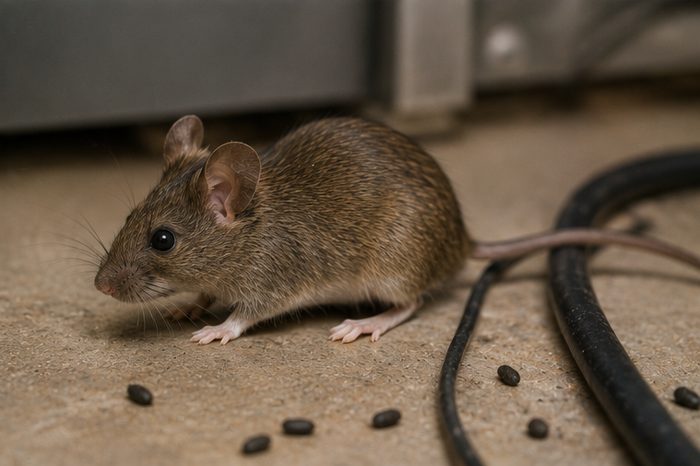
Fast, light scratching combined with the patter of small feet moving quickly across a surface is a classic sign of mice, especially if the sound moves along a wall cavity or skirting line.
Heavier scraping or gnawing
A more deliberate, heavier scratching or gnawing sound, sometimes accompanied by thumping, is more consistent with rats, which are larger and move with more weight than mice.
Buzzing or tapping
A persistent low buzz behind a wall or in a loft, particularly in spring and summer, can indicate a wasp nest rather than a rodent. Tapping or scratching near a chimney breast is often birds.
Check for supporting evidence
Noises alone aren't always conclusive, so it's worth looking for other clues. Droppings near the source of the noise, gnaw marks on wood or wiring, and grease marks along skirting boards all point towards rodents. A visible entry and exit point in brickwork with insects flying in and out suggests wasps. Feathers or nesting material falling into a fireplace usually means birds have nested nearby.
Where the noise is coming from matters too
Sounds high up in the loft, particularly near the eaves, are often rodents or, in summer, wasps. Noises within a wall cavity that seem to travel up and down are typically mice or rats moving between floors. If the noise is confined to one specific spot with no movement, it could be a static nest rather than an animal actively moving through the property.
When to get it checked
A single noise heard once might be nothing to worry about, but scratching that repeats over several nights, or that's accompanied by droppings, damage or an unpleasant smell, is worth having looked at. Left alone, rodents in particular can cause damage to insulation and wiring, so it's better to identify the cause early rather than wait.
Why guessing isn't always reliable
Sound travels in unpredictable ways through a loft space or wall cavity, so a noise that seems to come from directly above a bedroom might actually originate from the other side of the roof void. Insulation, plasterboard and the shape of the roof structure can all muffle or redirect sound, which is why homeowners sometimes struggle to pin down the exact location even when they're confident about what type of pest is involved. A trained ear, combined with a visual check for droppings, entry points and damage, gives a far more reliable answer than noise alone.
Don't ignore the smell test
Alongside sound, smell can help narrow things down further. A strong ammonia-like odour often accompanies an established rodent nest, while a sweeter, slightly rotten smell can suggest a wasp nest that has died back, or occasionally a bird or rodent that hasn't survived in an inaccessible space. If a noise is accompanied by a new smell that wasn't there before, it's a good reason to get the area checked sooner rather than later.
If you're hearing scratching in the walls or loft of your Berkshire home and aren't sure what it is, Pest Services Berkshire can carry out a proper inspection and confirm exactly what you're dealing with.
Get a Free Pest Control Quote in Berkshire
Every pest problem is different — the fastest way to get an accurate answer is a quick chat with our team.