
It's a familiar and frustrating pattern: you spot a pest, buy a spray or a trap, deal with what you can see, and a few weeks later the problem is back. This isn't bad luck. It usually comes down to a handful of predictable reasons why DIY treatments deal with the symptoms of an infestation rather than its cause.
You treated the pests you could see, not the nest
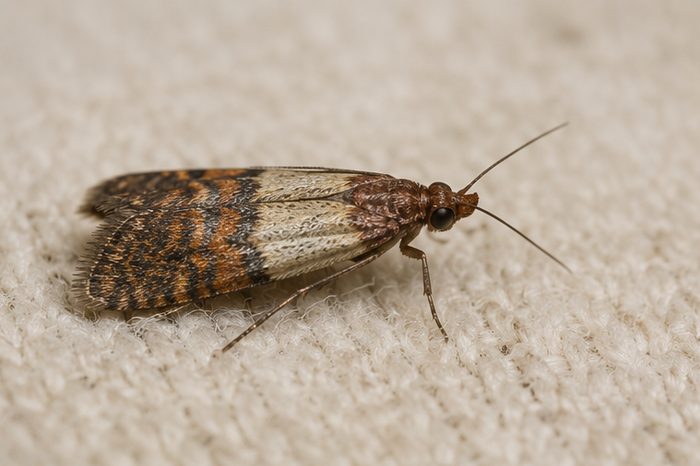
Most shop-bought products are designed to kill individual pests on contact, whether that's an ant, a wasp or a moth. But wasps operate from a nest, mice and rats from a burrow or harbourage, and moths and fleas from egg-laying sites hidden in carpets, furniture or lofts. Killing the pests that are out and about does nothing to the nest or breeding site itself, so more pests simply emerge to replace the ones removed.
The entry point was never closed
Every pest problem starts somewhere: a gap under a door, an airbrick without a cover, a loose tile, a gap where a pipe enters the wall. A DIY treatment might reduce the number of pests inside the house for a while, but if the route in is never identified and sealed, more will follow the same path. This is one of the most common reasons a "solved" problem reappears within a few months.
Eggs and larvae survive the treatment
Fleas and carpet moths
Flea eggs and carpet moth larvae are often resistant to surface sprays because they're tucked into carpet fibres, along skirting boards, or inside fabric and upholstery. A treatment that kills adult fleas or moths but doesn't address eggs will simply see the population rebuild itself within a couple of weeks as the next generation hatches.
Bed bugs
Bed bugs are particularly good at hiding in mattress seams, bed frames and skirting board gaps, and their eggs are resistant to many household products. A partial treatment can also make bed bugs disperse into neighbouring rooms as they try to escape the disturbance, which can turn a contained problem into a wider one.
Wrong product for the pest
Different pests respond to different active ingredients and treatment methods. A product effective against ants may do very little against fleas, and a mouse trap set in the wrong place will simply be avoided as the mice find another route. Misidentifying the pest, which is easy to do, often means the product used was never going to solve the problem in the first place.
Conditions that attracted them haven't changed
Pests are drawn to a property because it offers food, water, warmth or shelter. If there's still an accessible food source, a damp area, cluttered storage that offers hiding places, or pet food left out overnight, then treating the pests without addressing these conditions means the property remains attractive to the next opportunist that comes along.
Breaking the cycle
A recurring pest problem is usually a sign that the underlying cause, whether that's a nest, an entry point or an attractive condition in the property, was never actually dealt with. A professional inspection identifies the source rather than just the symptoms, and treats accordingly. If you've tried DIY methods more than once for the same problem, it's a good sign that it's time to get it looked at properly. Pest Services Berkshire can inspect your property, identify what's really going on, and treat it at the source rather than just the surface.
Get a Free Pest Control Quote in Berkshire
Every pest problem is different — the fastest way to get an accurate answer is a quick chat with our team.