The Seven Rules
1. Nobody changes where they sleep
Why: bed bugs find a host by exhaled carbon dioxide and by warmth. Move, and over the following weeks they work towards the new room. This is the big one.
2. Nothing leaves the affected room
Why: everything that leaves is a potential vehicle. The only exception is laundry, which goes straight to the machine and nowhere else.
3. Nobody sleeps on the sofa
Why: a sofa in nightly use is a bed, and it is harder to treat than a bed. This is rule one wearing a different hat and it gets broken far more often.
4. Nothing gets sprayed
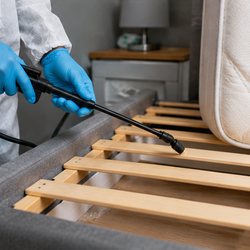
Why: a shop aerosol reaches surfaces you can aim at, which are the surfaces they are not on. Its main effect is to disperse them deeper and into the next room.
5. Nothing gets thrown out yet
Why: carrying furniture through the house involves the landing, the stairs and the hall. Very little genuinely has to go, and nothing should before somebody has looked.
6. Bedding goes straight to a hot wash and a hot dry
Why: the dryer is doing most of the work. Bag it in the room, carry the bag to the machine, and keep the clean laundry sealed and out of the room afterwards.
7. Everybody says what they have already done
Why: if somebody moved rooms last week or bagged things into the spare room, the inspection needs to know. It is information, not an admission.
If you remember one of the seven, make it the first. Staying put is unpleasant, it is the hardest instruction to follow, and it is worth more than the other six put together.
Why the Rules Are Worth Explaining Rather Than Just Issuing
Every one of them is counter-intuitive. The instinctive response to finding bed bugs is to get away from them, clean everything and throw out whatever they were in — and all three of those make it worse.
A household that has been told why follows the rules. A household that has just been handed a list does the sensible-seeming thing instead, usually on the first evening.
The Ones That Get Broken Most
- Somebody quietly moves to the spare room after a bad night
- The laundry basket goes to the landing rather than the machine
- Somebody starts falling asleep in front of the television
- A well-meaning relative brings a shop-bought spray round
- The room gets a deep clean the day after the treatment
Four of those five are somebody trying to fix it. That is worth remembering before anybody in the house gets blamed for one.
Ascot: The Rule for a House With a Guest Room
One addition to the seven, and it is the one this particular mistake hides behind: the guest room counts as a room even though nobody sleeps in it.
An unused bed does not clear itself. It is not a safe place to move to, it is not a safe place to store things from the affected room, and it should be inspected along with everything else regardless of how untouched it looks.
Tell whoever cleans the house. A cleaner who has not been told will move things between rooms, take laundry to the utility, and give the treated room a thorough going-over three days later. None of that is their fault and all of it undoes the work.
Bed bugs in Ascot? Pest Control Specialists Berkshire treats bed bugs from £220 for the first room. Bed Bug Treatments in Ascot has the full detail, or call 0118 336 1366.