Why the Absence of Bites Proves Nothing
The obvious measure is the worst one. Reaction to bites varies enormously between people, a small surviving population may produce very few, and somebody who has stopped reacting after repeated exposure will report improvement that has not happened.
It is also the measure that fails silently: the household that concludes a treatment worked because the bites stopped is the household that finds out in the autumn that they did not.
What To Measure Instead
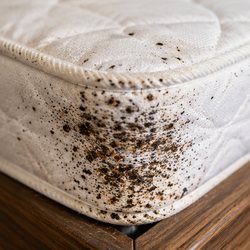
- New spotting. The single best measure. Clean the seams properly once you are told you can, so the field is clear, and then watch for anything appearing on it
- Newly hatched nymphs. Small, pale, nearly translucent. Their presence at the two to three week mark is the specific thing to look for
- Anything in an interceptor cup, if you use them under the bed legs. An unambiguous, dated signal
- Live insects at all, and their size — adults mean something different from nymphs
Clear the evidence field once you are allowed to. Old spotting persists indefinitely, so a treated room can look busy when nothing is happening. Cleaning the seams when you are told you can converts a confusing picture into a simple one: anything that appears afterwards is new.
The Timeline That Means Something
- Days one to three: some activity is normal. Harbourages have been disturbed. Not a measure of anything
- Week one: fewer sightings, in fewer places. Direction rather than count
- Weeks two to three: the first real test, as eggs laid beforehand hatch. A quiet fortnight here is the first genuinely good sign
- Weeks four to six: nothing should be happening. This is where confidence starts
- Six to eight weeks clear: a reasonable point to call it resolved
Six to eight weeks with a clean evidence field and no new activity is the honest threshold. Anything shorter is optimism.
Keep Sleeping In the Room
Counter-intuitive after a treatment and it is part of the measurement as well as part of the treatment. A host in the room draws any survivors out across treated surfaces — and it means that if something is still there, you will find out within weeks rather than in three months when somebody moves back in.
An empty room tells you nothing. A room in normal use tells you the truth.
What a Clear Result Does and Does Not Mean
- It means: no active population in the rooms that were treated
- It does not mean: rooms that were never inspected are clear
- It does not mean: whatever brought it in has stopped. A source outside the property is a separate question
- It does not mean: you cannot get them again. Nobody develops immunity to a suitcase
Bracknell: What To Do at Eight Weeks
- Do a full check of the treated rooms — mattress, frame, drawers, headboard, perimeter
- Do the five-minute check on every other bed in the property
- Fit encasements if you have not already
- Write the date down: treated on X, clear at Y
- Keep the note. If anything happens in six months, that record is what tells somebody which of the three causes it is
- Then stop checking weekly. Living in a room you inspect every night is its own problem
Do not declare it over at two weeks. The two to three week point is when eggs laid before the treatment hatch, so a quiet first fortnight is the least informative period there is. It is the one people call it on.
Bed bugs in Bracknell? Pest Control Specialists Berkshire treats bed bugs from £220 for the first room. Bed Bug Treatments in Bracknell has the full detail, or call 0118 336 1366.