
Who the Winged Ants Are
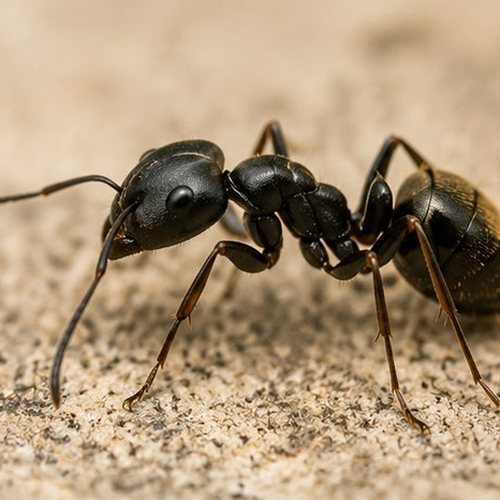
Most of a colony is made up of wingless female workers that never breed. Once a nest is mature and well fed, it also raises a batch of winged ants with a different purpose: males, and young queens. They stay inside the nest until conditions are right, then leave together.
The queens are noticeably bigger, with a heavy body and long wings. The males are smaller and slighter. Both are the same species as the workers, most often the black garden ant in and around homes.
Why So Many Nests Fly at Once
The flight is a mating event, and it only works if lots of ants from different nests are in the air at once. So colonies wait for the same signal: a warm, still, humid day in mid to late summer, often after rain. When it arrives, nests across a whole area open up within hours of each other.
That is why a street, a town or a stretch of the county can see flying ants everywhere on one afternoon and hardly any the next. There may be a few such days in a season, not one long swarm. Swifts and gulls feeding high over rooftops are often the first sign that it has started.
What Happens After the Flight
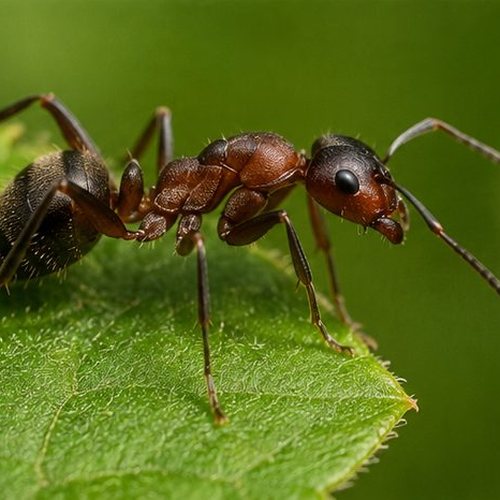
- Mating in the air. Queens mate with males from other colonies during the flight.
- The males die. Their job is done within a day or so, which is why dead winged ants gather on sills and patios.
- The queens drop their wings. A mated queen lands, snaps or rubs her wings off and looks for a sheltered crack in soil or under a stone.
- A new nest starts. She seals herself in and raises the first small batch of workers alone. Most fail; a few become next year's colonies.
Loose wings on a windowsill or patio are the leftovers of that third step.
Flying ants are harmless and short-lived. They do not sting, do not damage the house and are gone within a day or two. The one thing worth noting is where they came from: winged ants pouring out indoors mean a nest inside or under the building.
Flying Ants or Termites?
People sometimes worry that winged insects in the house are termites. Termites are not a normal problem in UK homes, and a flying ant is easy to tell apart if you look closely:
- Waist: an ant has a clearly pinched waist; a termite's body is thick and even
- Antennae: an ant's are bent at an elbow; a termite's are straight and beaded
- Wings: an ant's front wings are longer than its back pair; a termite's four wings are about equal
If what you have matches the ant column, it is almost certainly a garden ant flight.
If They Are Coming Out of Your House
Winged ants on the patio on a hot afternoon are just part of summer. Winged ants coming out of a skirting board, a floor crack or an airbrick are telling you where a nest is. What to do on the day itself, from closing windows to what to note down, is covered on the swarming day page. If ants keep appearing after the flight is over, the worker trail is the thing to follow; the article on finding an ant nest explains how.