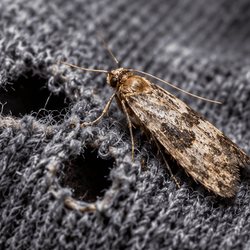
Hungerford is well known for its antiques trade, and second-hand and antique textiles are one of the most reliable ways a carpet moth infestation enters a house that never had one. That is not an argument against buying them — it is an argument for spending five minutes looking before you pay.
Almost nobody does, because it feels rude and because a rolled rug in a shop looks fine. Pest Services Berkshire treats carpet moths across Hungerford from £220, and a good proportion of what we are called to came through a front door in the boot of a car.
What Actually Carries Them
Rugs and runners, especially wool and hand-knotted ones
Upholstered furniture — the underside, the webbing, and any horsehair or feather filling
Wool clothing and coats, including vintage
Blankets, throws and eiderdowns
Taxidermy, sheepskins, hides and feather items, which are pure keratin and among the highest risk of anything
Tapestries, samplers and framed textiles
Felt in unexpected places — under piano keys, in old instrument cases, in hat boxes
Old boxes and packing material that came with the item
The Five-Minute Inspection Before You Buy
Turn it over. Damage shows on the underside of a rug long before the pile looks thin. If a dealer will not let you, that tells you something too
Look at the parts that were covered — where furniture stood, the middle of a rolled rug, under the cushions of a chair
Check fringes, selvedges and hems, which go first
Look for fine webbing, small cream larvae, and shed larval cases, which look like tiny grains of the material itself
Look for a fine sandy debris in the folds or where the item has been standing — that is frass, and it is a live signal
On upholstery, look underneath at the webbing and hessian, which is where it usually starts
What clean damage tells you and what it does not. Old holes with no webbing, no larvae and no debris may be historic and inactive — an item can carry damage from decades ago and be perfectly safe now. Webbing, larvae, live cases or fresh debris mean it is active. Learning to tell those apart is most of this.
Bringing It Home Safely
If you buy something and you are not certain, the containment is simple and it costs nothing.
Do not take it straight into a carpeted room
A garage, a conservatory, a shed or even a hallway with a hard floor is a better first stop
Bag or wrap it for the journey rather than laying it on the back seat and then the sitting room floor
Inspect it properly in daylight before it goes anywhere near a wool carpet
Have it professionally cleaned before it comes in, which for a rug of any value is worth doing anyway
If in doubt, ask us before it comes indoors rather than after
For Dealers and Trade Premises
Stock that arrives from house clearances and auctions arrives with whatever was in it, and a shop or unit full of textiles is a considerable amount of food in one place with very little disturbance.
We take commercial enquiries from businesses and managed premises across Hungerford. Where stock is affected, the practical concerns are usually containment, treating the premises rather than only the item, and doing it in a way that does not damage saleable goods — and those are worth discussing before rather than after.
If It Is Already In the House
Small moths close to the floor, running rather than flying
Irregular thinning or bald patches in wool carpet
Damage along carpet edges and beneath furniture
Fine webbing, larvae or shed cases
Damage to the new item, and to whatever it has been standing on
Check the floor beneath the item — it is often worse than the item
Timing is the clue. If moths appeared within a couple of months of something arriving, that is where to look first.
The Larvae Do the Damage
Adults do not feed; they lay eggs. So an item can look completely clear of moths and be carrying eggs and larvae, which is exactly why an inspection looks for webbing, cases and debris rather than for flying insects.
Professional Treatment From £220
Confirming carpet moths rather than another household moth
Establishing whether the source is an acquired item or the property
Checking edges, beneath furniture, cupboards, rugs and storage
Preparing the affected areas as required
Applying the appropriate professional treatment
Advice on cleaning, quarantining and prevention
Follow-up where the extent of activity warrants it
Tell us if something was recently brought into the house, and when. It is frequently the whole explanation and it saves a good deal of searching.
Landlords, Agents and Commercial Premises
We take enquiries from landlords, tenants, letting agents and property managers across Hungerford, and from businesses and managed premises containing carpets, rugs or stored textiles.
Questions
Carpet Moth FAQs — Hungerford
What should I check before buying a second-hand rug?
Turn it over and look at the underside, check the parts that were covered, and look at fringes and edges. You are looking for fine webbing, small cream larvae, shed cases and a sandy debris rather than for moths.
The rug has holes but nothing moving. Is it safe?
Possibly. Old holes with no webbing, no larvae and no fresh debris may be historic and inactive; an item can carry decades-old damage and be perfectly safe. Webbing, cases or fresh debris mean it is active.
Where should I put something I have just bought?
Not straight onto a wool carpet. A garage, conservatory or hard-floored hallway is a better first stop, and professional cleaning before it comes in is worth doing anyway for a rug of any value.
What is the sandy debris I found under an old chair?
Most likely frass — larval droppings and fragments. It is one of the more reliable signs of active feeding, and worth acting on.
How much is treatment in Hungerford?
From £220, depending on the rooms and items involved. Say if something was recently brought into the house and when.
Advice
Carpet Moth Guides for Hungerford
Five guides written for Hungerford. We publish these in batches
rather than all at once, so some are still being written —
those are marked rather than linked to a page that is not there.
Treatment starts from £220. Tell us which rooms are affected and
what you have found — moths, larvae, webbing or damage —
and we will come back to you.