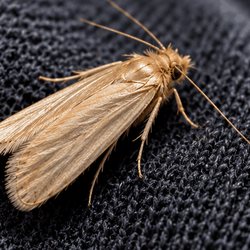
It Starts With Looking
- Confirming it is carpet moths rather than clothes moths, pantry moths or something else
- Establishing what is actually being eaten — and in a modern house that means checking the underlay, not assuming the carpet
- Working out which rooms are involved, which is usually more than the one you have seen them in
- Checking rugs, upholstery undersides, wardrobes and any storage areas
- Agreeing what is in scope before anything is applied
This part is not padding. A treatment aimed at a carpet when the population is in the underlay is a treatment that gets repeated.
The Underlay Question, Which Is the One That Matters Here
If the source is beneath the carpet, there are three routes and you should be told which one is being proposed and why.
- Treating through the carpet at the perimeter, the edges and under furniture, where access to the underlay exists at the tuck. Least disruptive, and appropriate where the problem is contained
- Lifting the carpet in the affected areas, treating underlay and floor directly, and relaying. More work, more thorough
- Removing the underlay entirely where it is badly affected or the carpet is coming up anyway. Then the exposed floor, gripper rods and perimeter are treated before anything new goes down
Ask which one, and why. A quote that does not mention the underlay in a house with synthetic carpet has probably not asked the question, and it is the question the whole job turns on.
What Gets Treated
- Flooring, with particular attention to the perimeter, the edges against skirting and the areas beneath furniture
- Underlay and the floor beneath, where reached
- Rugs and the floor under them
- Upholstery undersides and stored textiles, where in scope
- Garage, loft or outbuilding if the source is there
Timing depends on rooms and on how much has to be moved. A typical house is hours rather than days, and the expected time should come with the quote rather than on the day.
On the Day
- Somebody over 18 present to give access
- People and pets out of the rooms being treated
- Fish tanks covered and pumps off; birds and small animals out
- Tell us about anyone pregnant, any infant, or anyone with a respiratory condition, so the aftercare advice fits the household
Afterwards
- Stay out of treated rooms for the period given, then ventilate
- Do not vacuum for the period specified — too soon removes the treatment
- Do not shampoo or wet-clean treated carpets
- Put furniture back once the carpet is dry and the wait is up
- Expect some moths for two to three weeks as remaining eggs hatch
- Keep a weekly count. Falling is normal; steady or rising after four weeks is not
The count matters more in an underlay case than anywhere else, because there is no damage to watch. Moth numbers are the only measurement available, so they are the measurement to keep.
If It Is Not Holding
Steady numbers after four weeks in a house with synthetic carpet usually mean the treatment reached the pile and not what is underneath it. That is a scope question rather than a product failure, and the answer is normally lifting rather than reapplying.
Treatment starts from £220. Tell us what the flooring is in each room and how old the underlay is if you know — those two answers shape this job more than anything else you can tell us.
Carpet moths in Thatcham? Pest Services Berkshire treats carpet moths from £220. Carpet Moth Control in Thatcham has the full detail, or call 0118 336 1366.