
Why Mice Find Business Premises
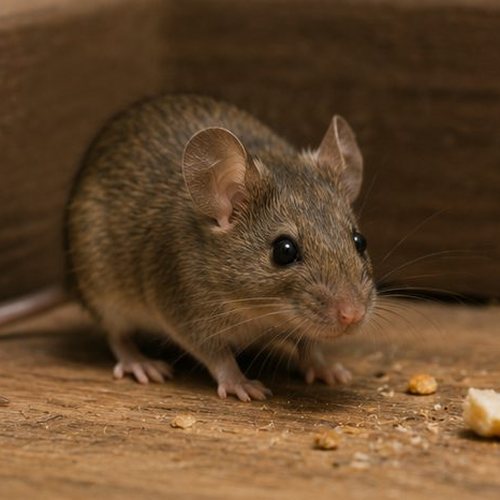
Shops, restaurants, offices and units offer shelter, food and quiet corners all at once. Deliveries arrive in cardboard, stockrooms are rarely moved, kitchens and tea points leave crumbs, and ceilings, ducts and cable runs go uninspected for years.
Many premises also share walls, service ducts, roof spaces and bin areas with their neighbours. That means a mouse problem in one unit is often connected to the next, in the same way as it is for flats and terraces, which we describe on our professional mice control in Slough page.
What Mice Cost a Business
- Contaminated stock. Food that mice have touched or gnawed has to be thrown away.
- Damaged goods and packaging. Chewed boxes and bags can make stock unsaleable.
- Cables and equipment. Gnawed wiring causes faults and can be a fire risk.
- Reputation. A customer or visitor who sees droppings or a mouse will remember it.
A business that prepares, stores or sells food has a legal duty to keep pests out, and evidence of mice is taken seriously on inspection. We are pest controllers rather than legal advisers, so check the detail of your own obligations with your local authority, but the practical point is simple: act on the first sign and write it down.
The Inspection Comes First
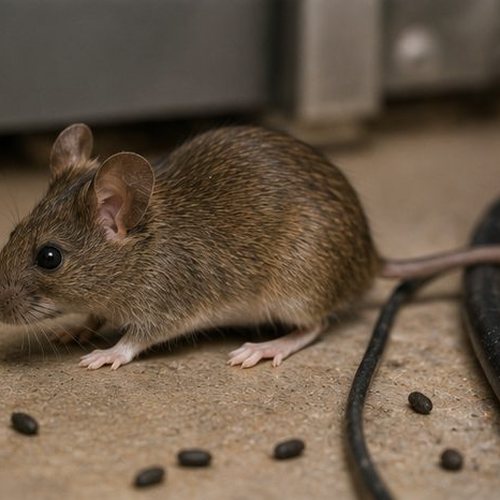
The survey starts outside, at the doors, the loading area, the gaps where services come in and the bin store. Inside, we look at goods in, storage, kitchens, staff areas and the voids above and below. We are looking for droppings, gnawing, smears and nesting, and for the gaps that explain how they are arriving.
You get a plain account of what we found, where the mice are moving, and what needs sealing, including anything that falls to the landlord of the unit rather than to you.
Treatment and Checking
Locked, tamper-resistant bait stations and traps go on the runs, away from food handling and out of reach of staff and the public. Activity tails off over days to weeks rather than stopping at once, and it is checked rather than assumed. How often we check, and whether ongoing monitoring suits your premises, is agreed with you rather than assumed.
Visits can be planned around the working day so staff and customers are not disturbed, and any instructions given on the day about food areas should be followed.
Proofing and Shared Buildings
Treatment without sealing only deals with the mice already in. Door seals, gaps round pipes and cables, damaged air bricks and loading doors left open all invite the next ones. Seal after the mice inside have been dealt with, because closing a gap too early can trap them in the building.
Where the way in is a shared wall, a shared ceiling void or a neighbouring unit, the landlord or the adjoining occupier may need to be involved. A written record of what you found and when helps everyone.
Keep a record. Note each sighting with the date and place, what was cleaned, and what was done. It shows you noticed and acted, and it shows us the pattern.
What to Tell Us When You Ring
- What kind of business, and the layout: shop floor, stockroom, kitchen, offices.
- Your trading hours, delivery times and who holds the keys.
- Where and when you have seen droppings, damage or mice.
- Whether you own the premises or lease them, and whether neighbours are affected.
Home mice control in Slough is a fixed £280 per property. Pricing for business premises depends on the premises, so it is confirmed for your site before anything is booked. Droppings should be cleared as set out in our droppings and hygiene page, and more on how mice get in is in how do mice get into houses.