
Keep a Dated Log
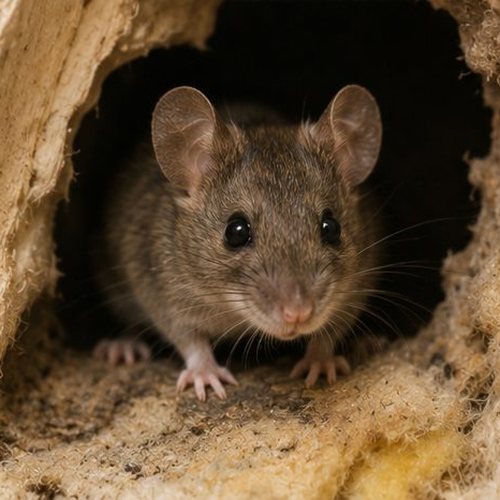
Before anything else, start writing things down. Note the date, the place and what you found each time: droppings, a noise, gnawed packaging. After a treatment, activity fades over days to weeks rather than stopping at once, so a few signs early on may be the tail end. A fresh sign after a clear, quiet spell is a return, and the log shows which it is.
A log also gives us something specific to work from. “Droppings by the pipe under the bath, three times in five weeks” is far more useful than “they are back”.
A Shared Route Is Still Open
Treating your home deals with the mice in it. It cannot close a gap that runs through a party wall, under a shared floor or across a roof space. If that route stays open, mice from next door can use it as easily as before.
That is why the order matters: treat first, then seal once activity has stopped. Closing a route while mice are still using it can leave some on your side with no way out. Gaps round pipes are better packed with wire wool and finished with filler or mortar than with foam alone, which is chewed through. The materials are covered in how to mouse-proof your home.
The Home Next Door Still Has Them
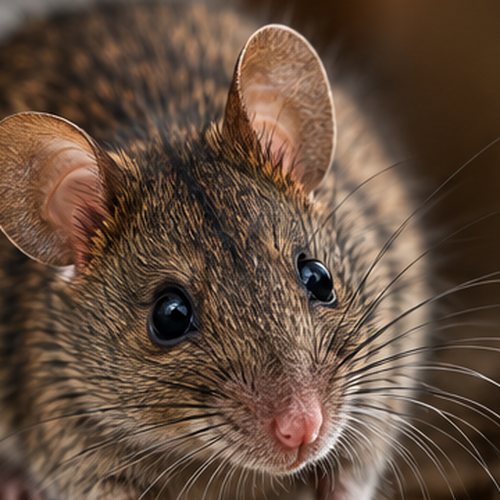
If a neighbouring home is untreated, mice continue to be born there and continue to explore. It can look as if your treatment failed when your home is simply the nearest one with a way in.
Talking to neighbours is usually easier than people fear. Most are relieved to hear it is not just them. Keep it factual: what you have found, where, and that you are dealing with it. For a block, the freeholder or managing agent is the right body to arrange treatment of shared areas, and a written report starts the clock. Our professional mice control in Slough page explains why a single home can fall short.
Food and Waste Nobody Owns
Mice only need a little to stay. Overflowing or open bins, a shared bin store, food waste left outside, bird feed on the ground and spilled takeaway rubbish all feed them close to the building. Where there is a food shop or takeaway at ground level, deliveries and waste add to it.
Inside your own home the basics still count: food in sealed containers, crumbs cleared from behind appliances, pet food not left down overnight. What attracts mice is looked at properly in what attracts mice into your home.
A Checklist Before You Ring Again
- Your dated log, with places and times.
- Whether the signs are by one pipe, wall or cupboard, or spread out.
- Anything that has changed lately: building work, a new appliance, a blocked or damaged air brick, a door left open.
- Whether neighbours have mentioned mice, and whether anyone has treated.
- Whether bins and shared areas are being emptied and kept shut.
Do not seal in a hurry. If you have noticed a gap, tell us rather than filling it straight away, so that it is closed at the right moment and in the right material.
Mice control in Slough is a fixed £280 per property, confirmed before booking, and the cost is covered in the Slough cost guide. General reasons for a return are in why do mice keep coming back, and the usual routes in are in how do mice get into houses.